
Whether you’re sewing a fitted tee, upcycling old shirts, or crafting cozy home goods, choosing the right T-shirt fabric is the foundation of every successful DIY project.
This T-Shirt Fabric 101 guide will walk you through the best types of fabrics for DIY, their pros and cons, and detailed, step-by-step tutorials to get you started. Let’s dive into the world of knit fabrics and make your next project a stitch above the rest!
Why Fabric Choice Matters for DIY
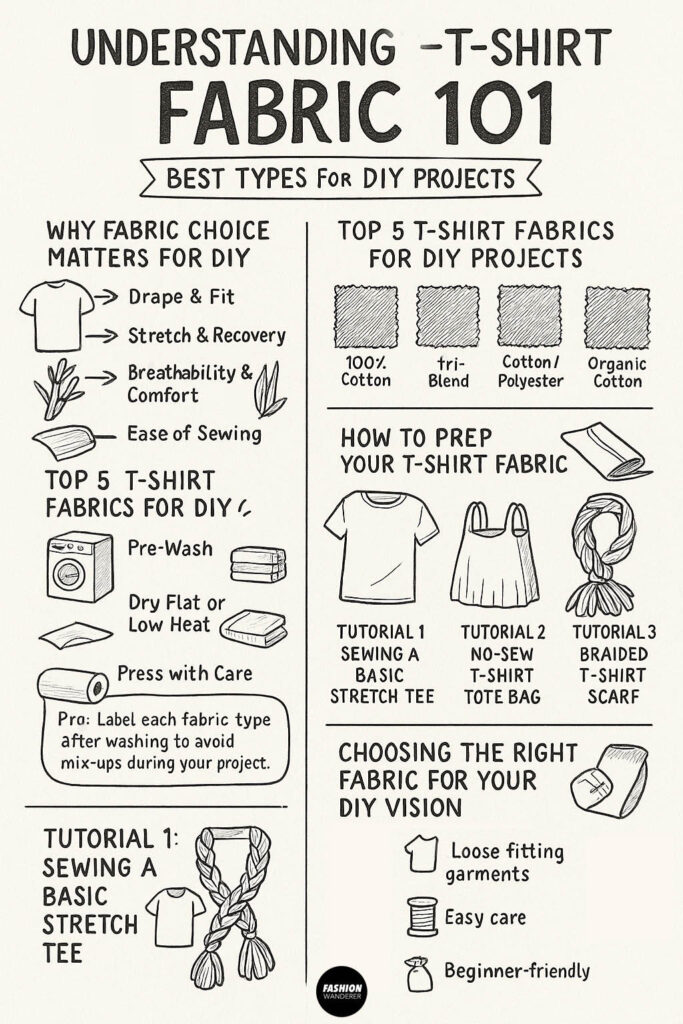
- Drape & Fit: Lightweight jerseys hug the body; heavier knits hold shape for structured pieces.
- Stretch & Recovery: Cotton/spandex blends bounce back; 100% cotton can sag over time.
- Breathability & Comfort: Natural fibers like organic cotton and bamboo feel soft and wick moisture.
- Ease of Sewing: Some knits require special machine needles and stitches; others are beginner-friendly.
Top 5 T-Shirt Fabrics for DIY Projects
| Fabric Type | Composition | Stretch | Best For |
| 100% Cotton Jersey | 100% Cotton | Low–Medium | Casual tees, basic tank tops |
| Cotton/Spandex (4-Way) | 95% Cotton, 5% Spandex | High | Fitted tees, activewear, athleisure |
| Tri-Blend Jersey | Cotton/Poly/Viscose | Medium | Soft tees, drapey tops, lounge wear |
| Bamboo/Cotton Blend | Bamboo Rayon/Cotton | Medium | Eco-friendly tees, baby clothes, scarves |
| Cotton/Polyester Blend | 60% Cotton, 40% Poly | Medium | Durable tees, graphic tees, accessories |
How to Prep Your T-Shirt Fabric
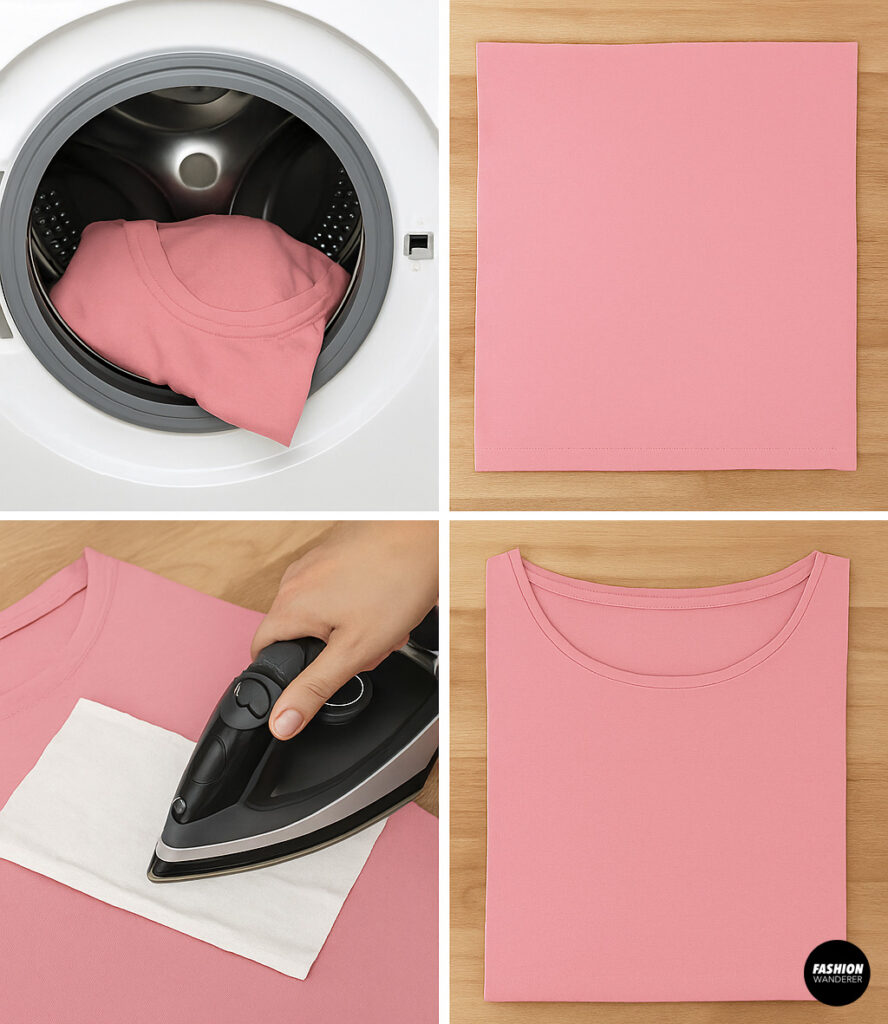
Before you cut or sew, proper preparation prevents shrinkage and distortion:
- Pre-Wash
- Machine-wash on gentle, cold cycle.
- Skip fabric softener to maintain stretch.
- Dry Flat or Low Heat
- Air-dry on a flat surface to preserve shape.
- If using dryer, tumble on low.
- Press with Care
- Use a steam iron set to “knit” or “synthetic.”
- Place a pressing cloth between iron and fabric to avoid shine.
Pro Tip: Label each fabric type after washing to avoid mix-ups during your project.
Step-by-Step Tutorial 1: Sewing a Basic Stretch Tee
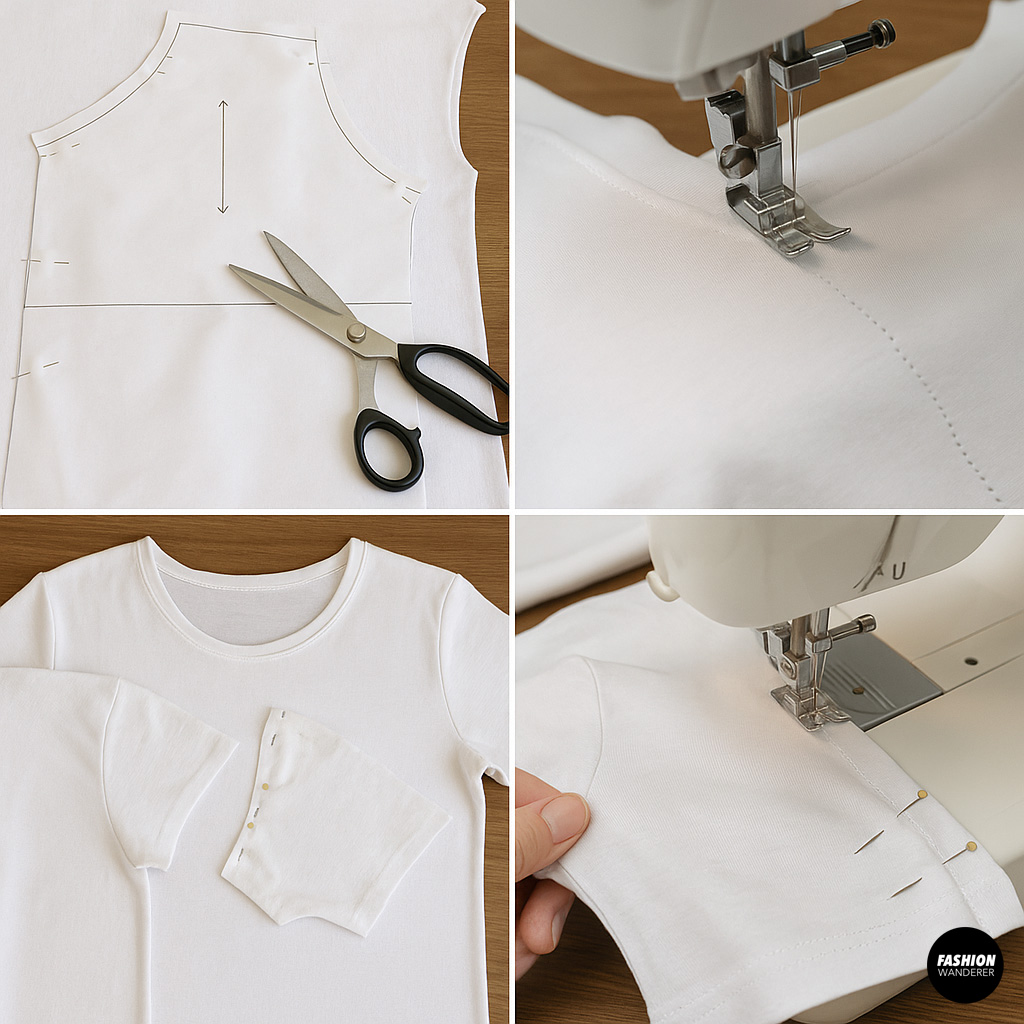
This project helps you learn to work with knits and stretch stitches.
You’ll Need:
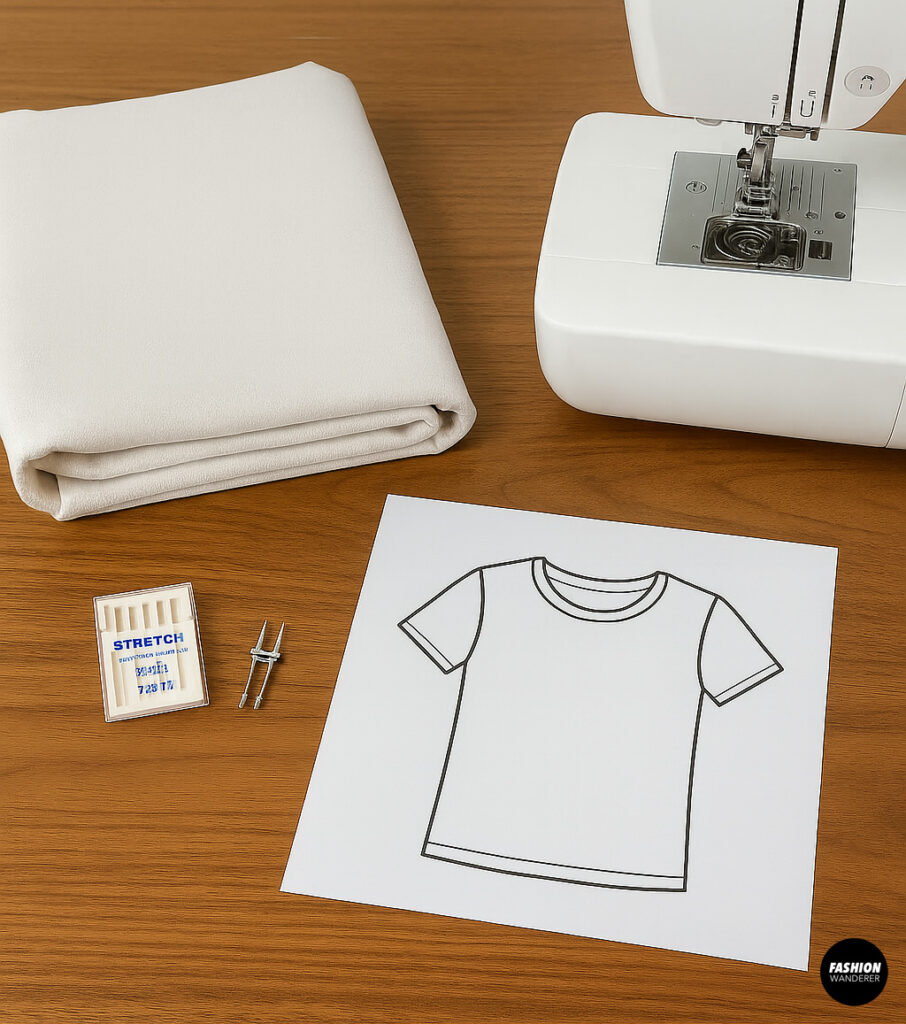
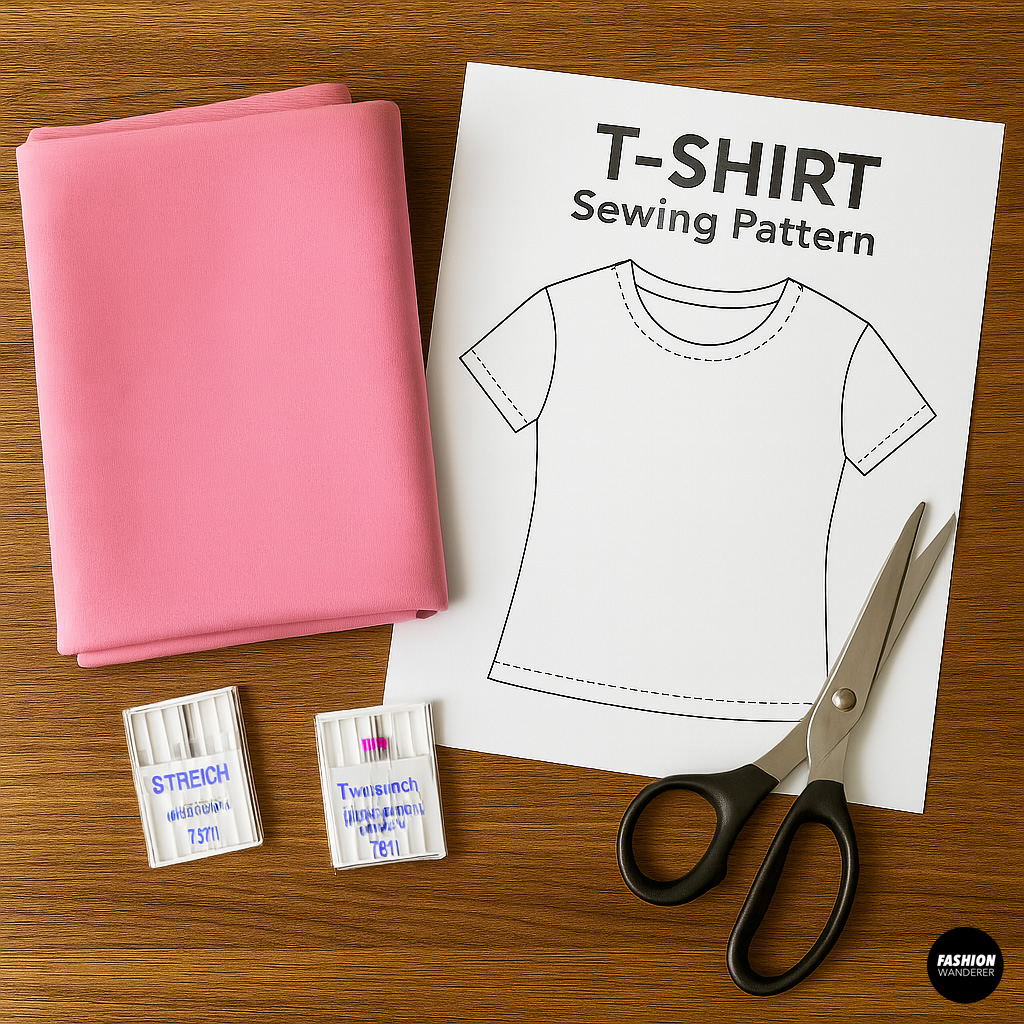
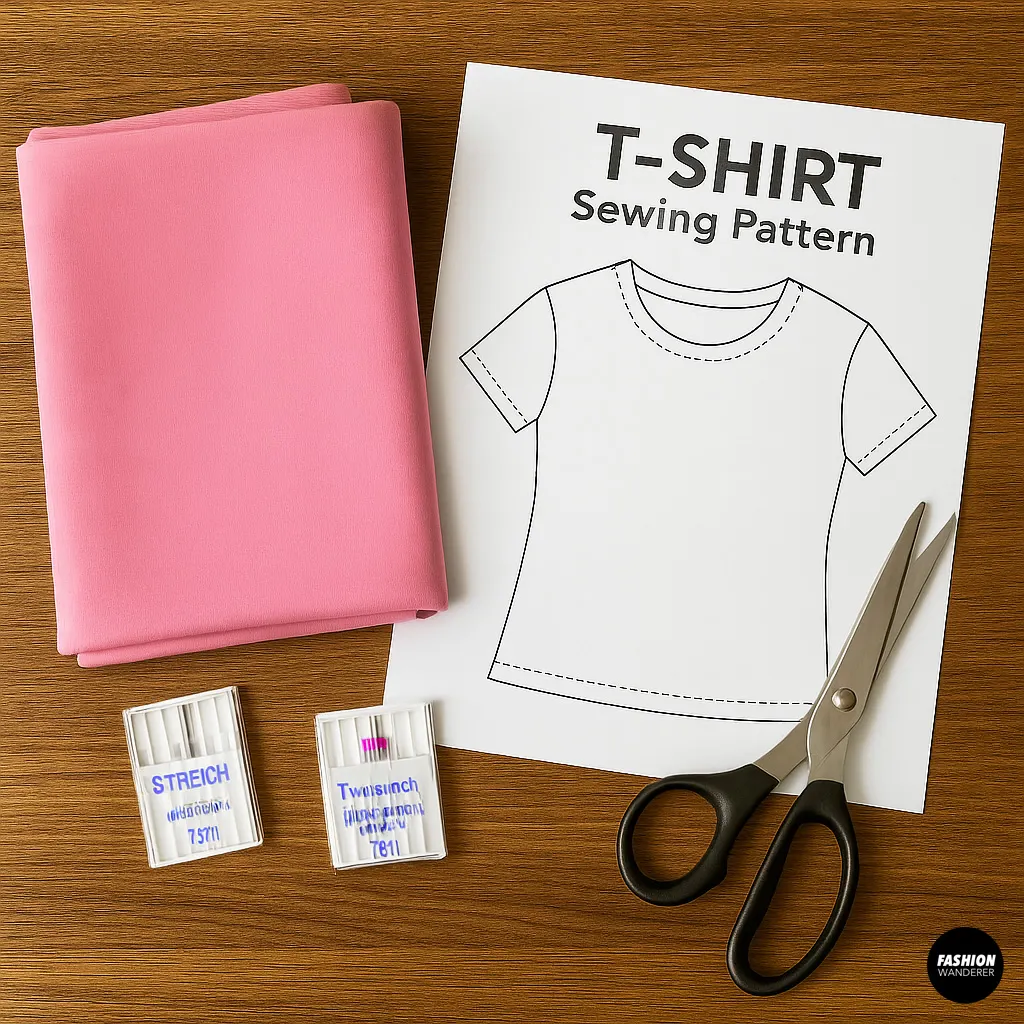
- 1 yard of Cotton/Spandex Jersey
- Ballpoint stretch sewing machine needle (size 75/11)
- Stretch or narrow zigzag stitch on your machine
- T-shirt sewing pattern (store-bought or printable PDF)
- Stretch twin-needle (optional for hems)
Steps:
- Cut Pattern Pieces
- Lay fabric on a flat surface, right side up.
- Pin your pattern following the grainline (parallel to selvage).
- Cut front, back, sleeves, and neckband.
- Stay-Stitch Neckline
- Using a straight stitch at ¼” from edge, sew around the neckline to stabilize.
- Shoulder Seams
- With right sides together, pin shoulders.
- Sew with stretch stitch at ½” allowance.
- Attach Sleeves
- Align sleeve notch to shoulder seam.
- Pin and sew around armhole with stretch stitch.
- Side Seams
- Fold tee right sides together, match underarm and side edges.
- Pin and sew in one continuous seam from sleeve to hem.
- Hem & Finish
- Fold bottom edge up ½”, press and pin.
- Topstitch with a twin-needle or narrow zigzag.
- Repeat on sleeve hems.
Congratulations—your perfectly fitted stretch tee is ready!
Step-by-Step Tutorial 2: No-Sew T-Shirt Tote Bag
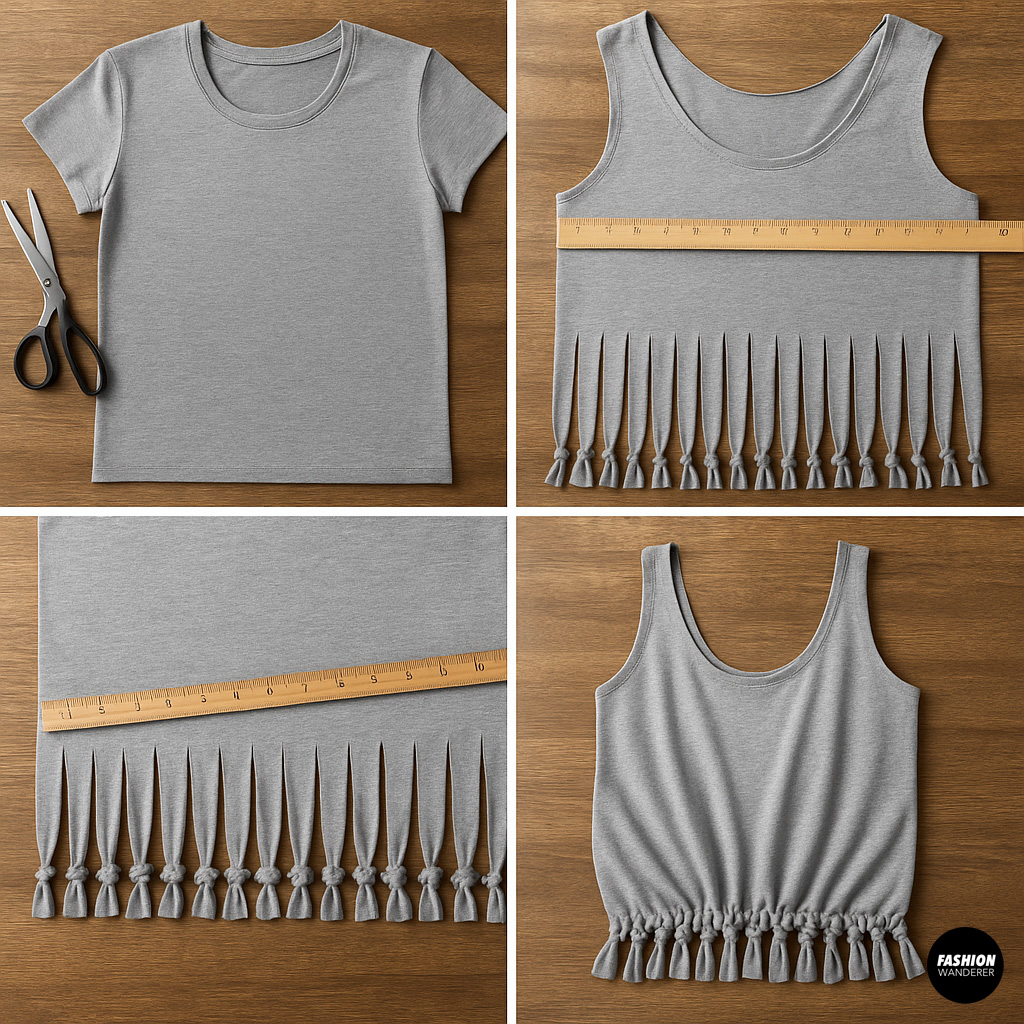
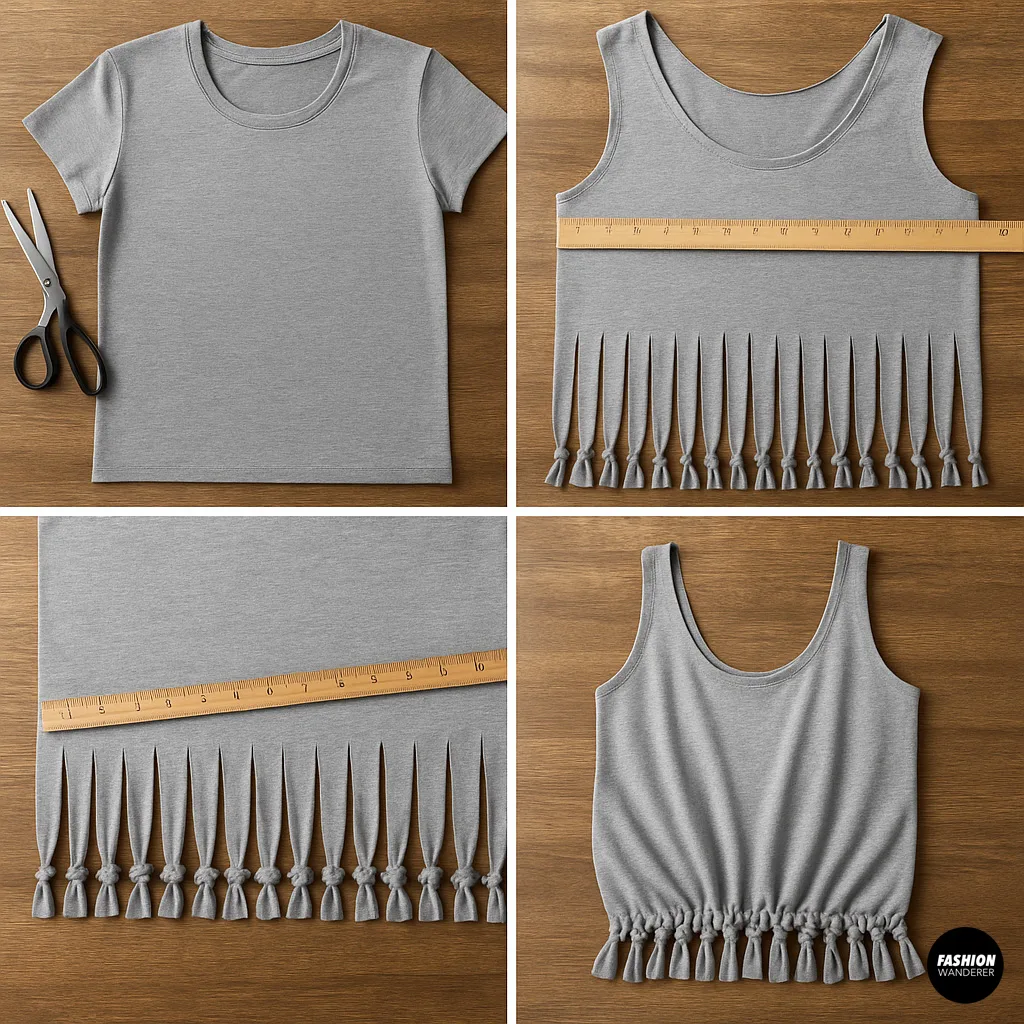
Transform a worn-out tee into a chic tote—no sewing required!
You’ll Need:
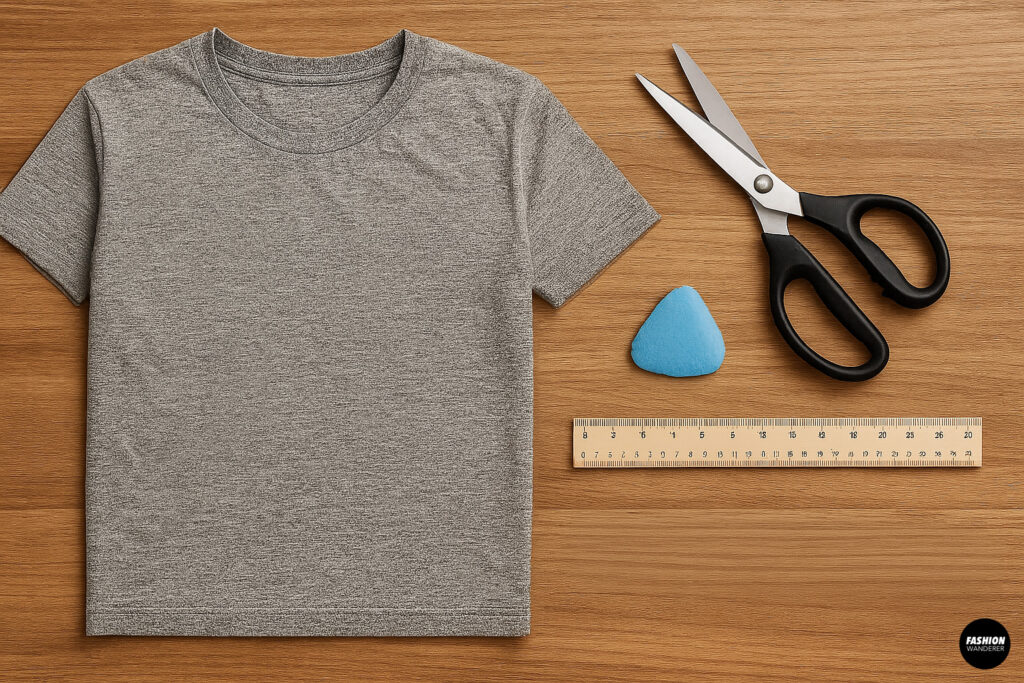
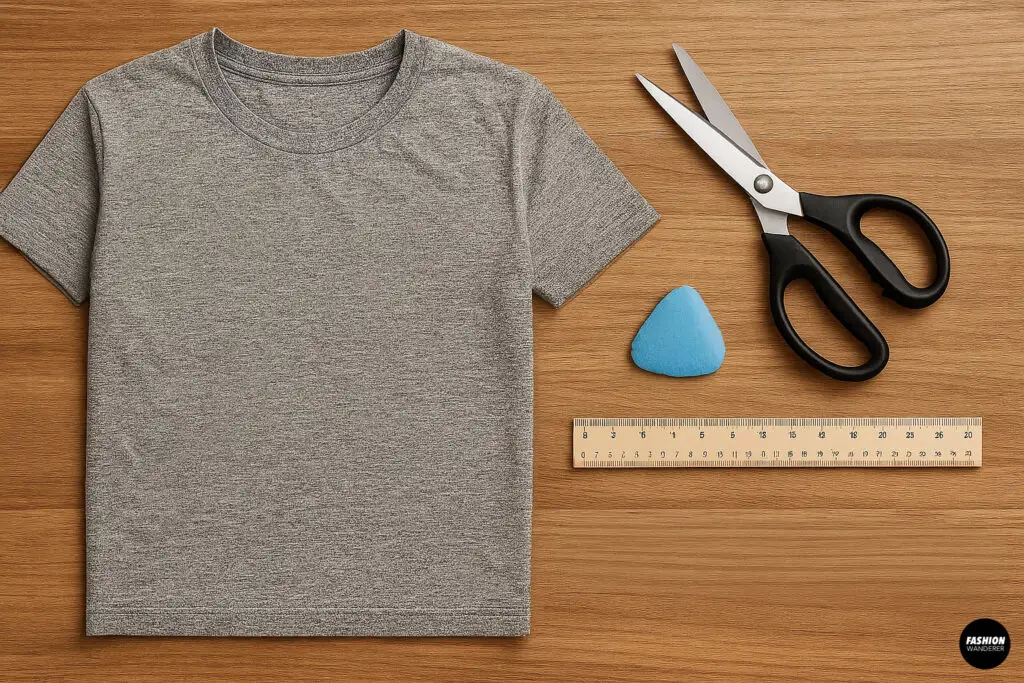
- Old 100% Cotton Jersey T-shirt
- Fabric scissors
- Ruler or measuring tape
- Chalk or fabric marker
Steps:
- Cut Off Sleeves & Neckline
- Lay shirt flat.
- Cut off sleeves along the seam.
- Cut a wider neckline (half-moon shape) for tote handles.
- Trim Bottom Fringes
- Measure 4″ up from hem.
- Cut slits 1″ apart across the width, stopping at the 4″ line.
- Knot the Fringe
- Tie each front-and-back pair of fringe strips together in a double knot.
- Continue across entire bottom edge.
- Turn Inside Out & Fill
- Flip the shirt inside out to hide knots.
- Turn right side out and your tote is ready to use!
This quick no-sew project yields a fun, reusable bag in under 30 minutes.
Step-by-Step Tutorial 3: Braided T-Shirt Scarf
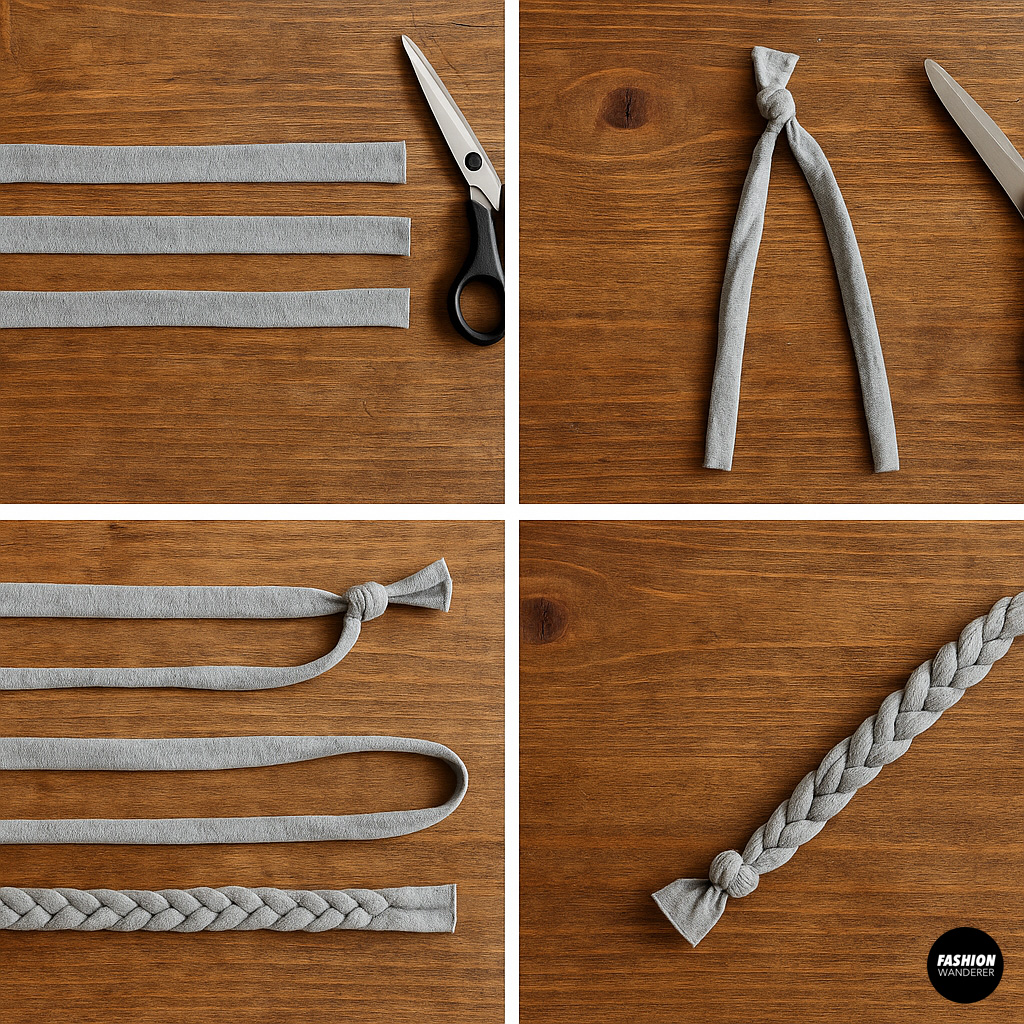
A stylish accessory made from scraps—perfect for tri-blend fabrics!
You’ll Need:
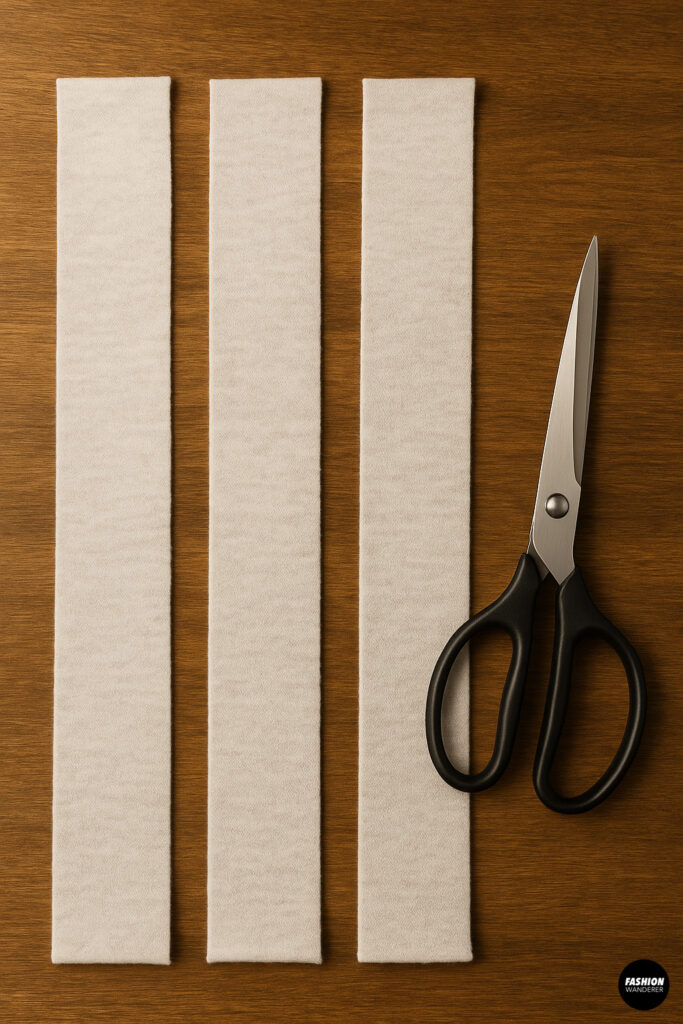
- Three 2″-wide strips of Tri-Blend Jersey (approx. 30″ each)
- Sharp fabric scissors
Steps:
- Prepare Strips
- Cut three strips from the shirt’s body or hem.
- Stretch each strip gently to curl edges inward.
- Tie Strips Together
- Knot one end of all three strips.
- Braid the Strips
- Braid tightly until you reach the other end.
- Finish with a Knot
- Tie a secure knot at the end of the braid.
- Tuck loose ends into the braid or trim close.
Slip this stretchy scarf over your head for an instant style boost!
Choosing the Right Fabric for Your DIY Vision
- Project Type:
- Close-fitting garments → Cotton/Spandex
- Flowy tops & drape → Tri-Blend or Bamboo blends
- Kids’ wear & towels → 100% Cotton jersey
- Skill Level:
- Beginner → Woven scraps, no-sew projects, cotton jerseys
- Intermediate → Stretch knits with zigzag/stretches stitches
- Advanced → Performance fabrics, multi-layered knit garments
- Care Requirements:
- Easy care → Polyester blends
- Eco-friendly → Organic cotton, bamboo rayon
- Durable → Cotton/Polyester blends
Conclusion
Armed with this T-Shirt Fabric 101 guide, you can confidently select the perfect knit for any DIY project—whether you’re sewing a fitted tee, crafting a no-sew tote, or braiding a cozy scarf. Experiment with 100% cotton, spandex blends, or tri-blends to discover your favorite feel and function.
Ready, set, create! Share your finished projects on social media with #FashionWandererOfficial and #TShirtFabric101 and inspire fellow makers to pick up their scissors and sewing machines.