
If you’re dreaming of soft florals, cozy knits, and whimsical vintage vibes, then you’ve probably fallen under the spell of cottagecore — the enchanting aesthetic inspired by rural life and nature’s gentle beauty.
One of the easiest ways to add a cottagecore touch to your wardrobe is by creating patchwork pockets on your basic t-shirts. Not only does this DIY project add charm and personality, but it also gives a sustainable twist by upcycling fabric scraps.
In this blog post, we’ll walk you through a simple, beginner-friendly patchwork pocket tutorial that will transform your plain tees into dreamy cottagecore staples. No advanced sewing skills or fancy patterns required! Let’s get crafty.
Why Patchwork Pockets? The Cottagecore Connection
Patchwork pockets are the perfect way to blend functionality with whimsical aesthetics. Here’s why they’re so popular for cottagecore fashion:
- Handmade charm: Patchwork’s DIY feel pairs beautifully with the handmade ethos of cottagecore.
- Upcycled & sustainable: Use fabric scraps from old clothes or thrifted textiles, reducing waste.
- Customizable: Mix and match florals, plaids, and textured fabrics for a unique look.
- Adds dimension: The patchwork pocket adds visual interest and texture to plain tees.
- Easy to personalize: Choose pocket size, shape, and placement to suit your style.
Whether you’re crafting for yourself or gifting a loved one, patchwork pockets bring that perfect vintage cottagecore flair.
DIY Step-by-Step Tutorial to Add Charming Patchwork Pockets to Your Tees
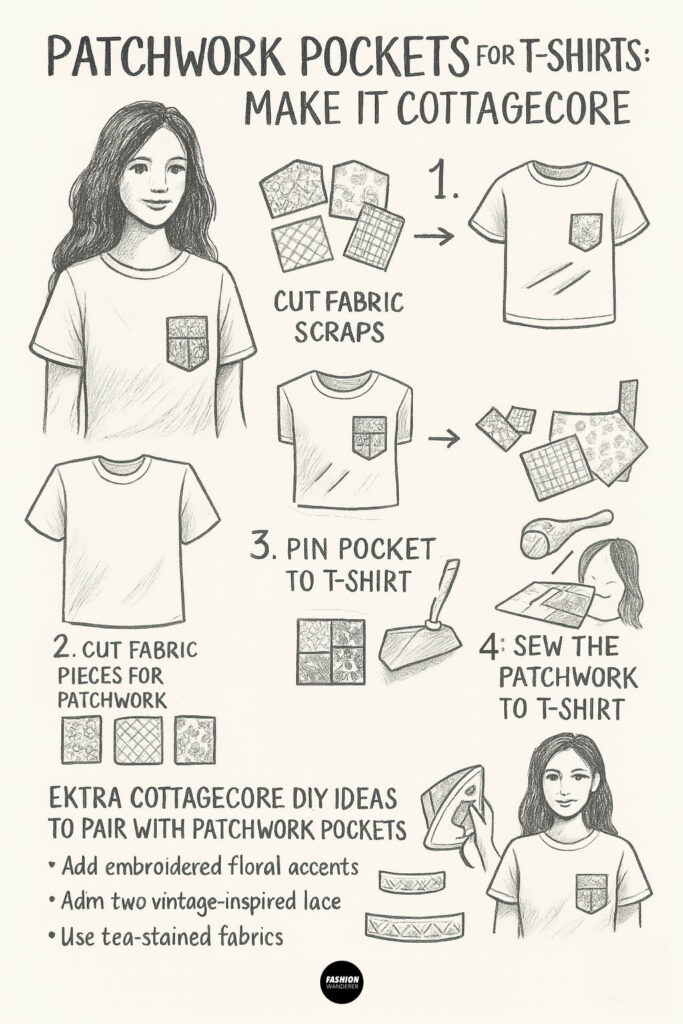
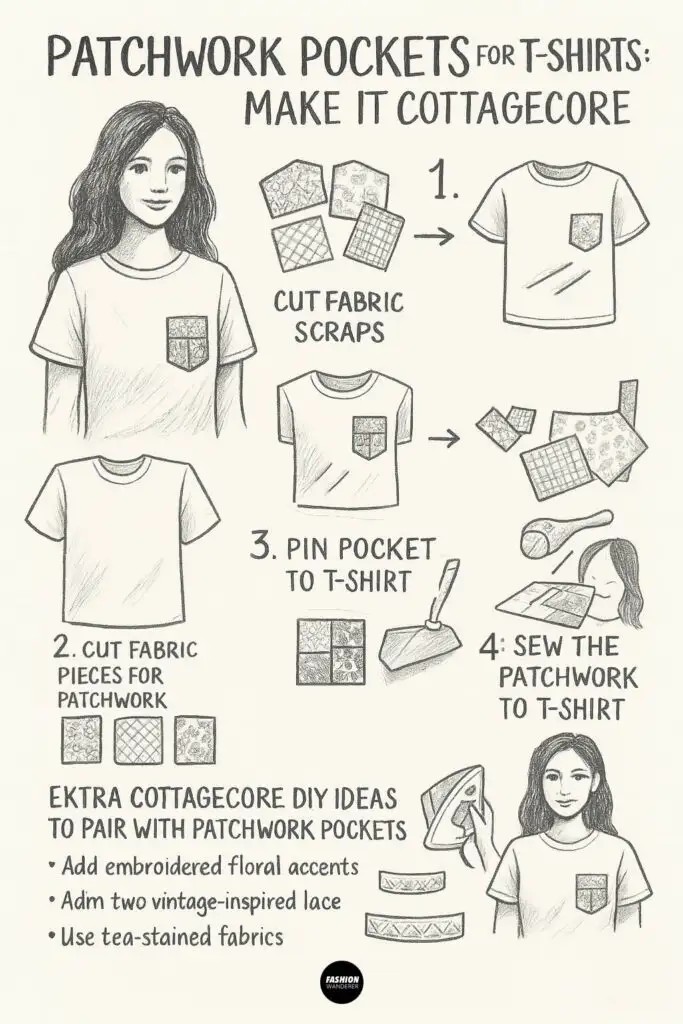
What You’ll Need
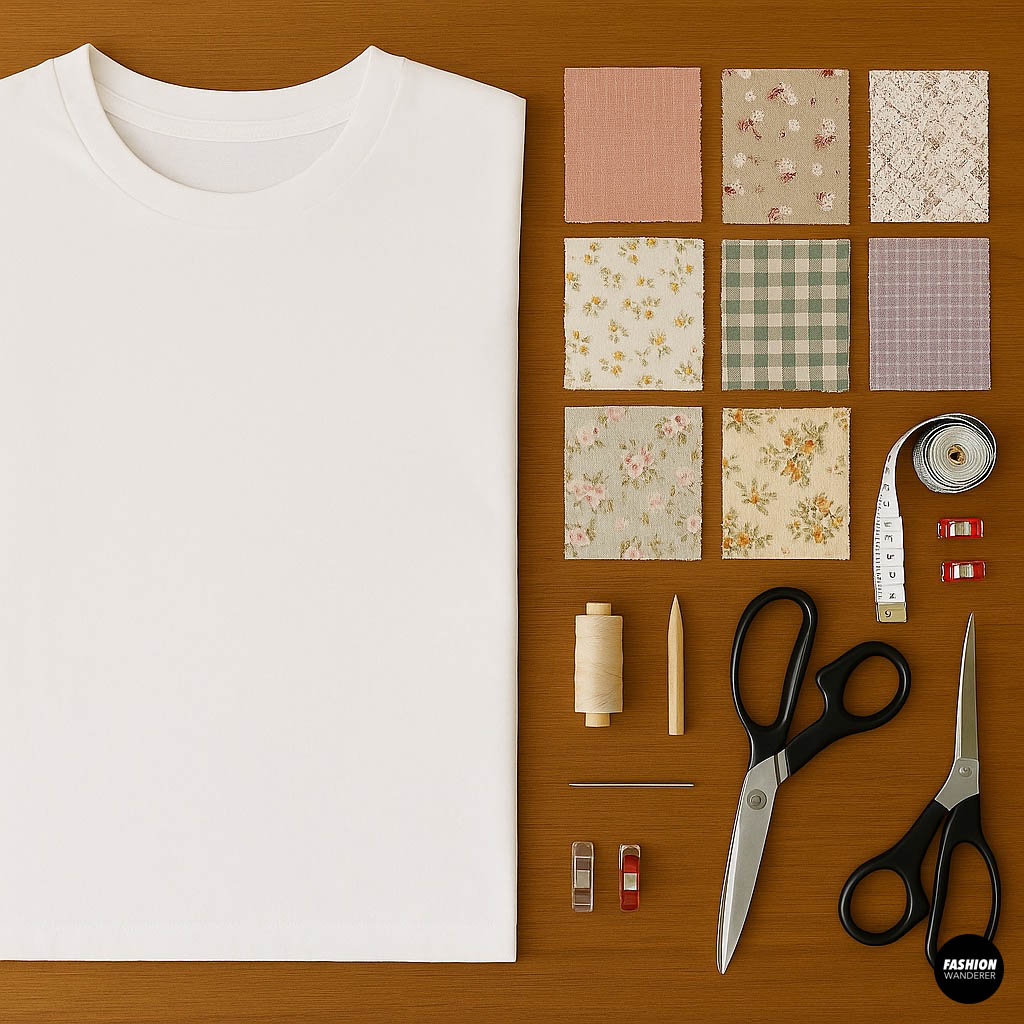
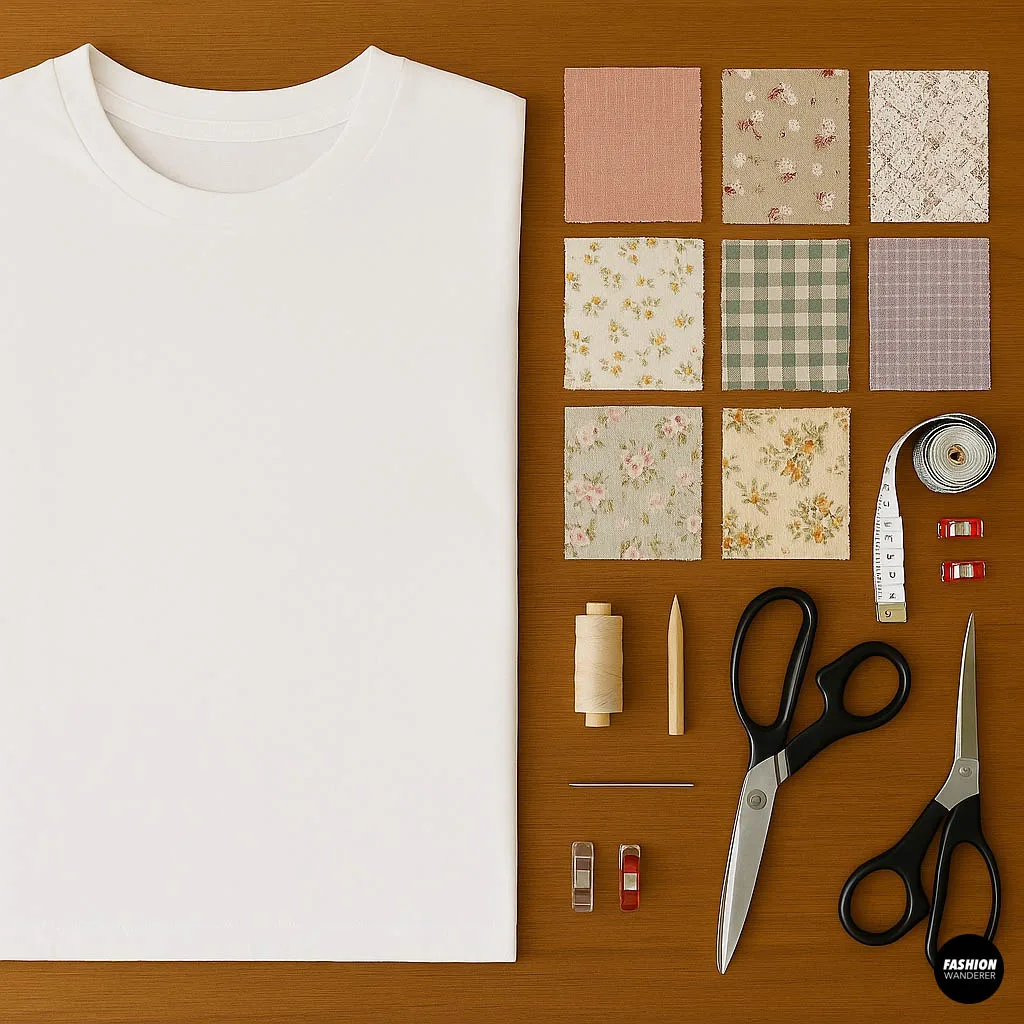
Before starting, gather your supplies:
- Basic cotton or knit t-shirt (preferably solid-colored)
- Fabric scraps in cottagecore patterns (florals, gingham, lace, linen, calico)
- Scissors (fabric scissors recommended)
- Sewing pins or clips
- Thread matching your fabric scraps
- Needle or sewing machine
- Iron & ironing board
- Fabric marker or chalk
- Measuring tape or ruler
- Fusible interfacing (optional, for sturdier pockets)
Step 1: Select Your T-Shirt & Fabric Scraps
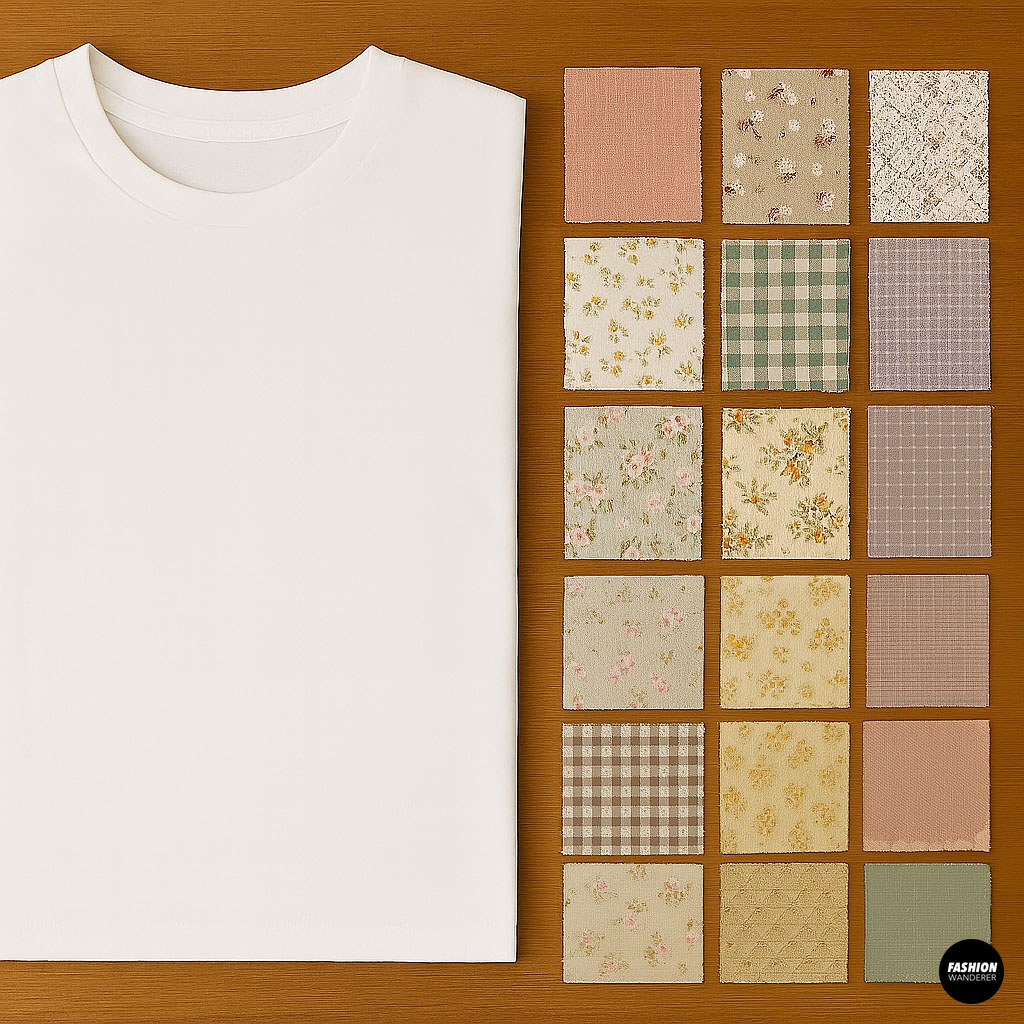
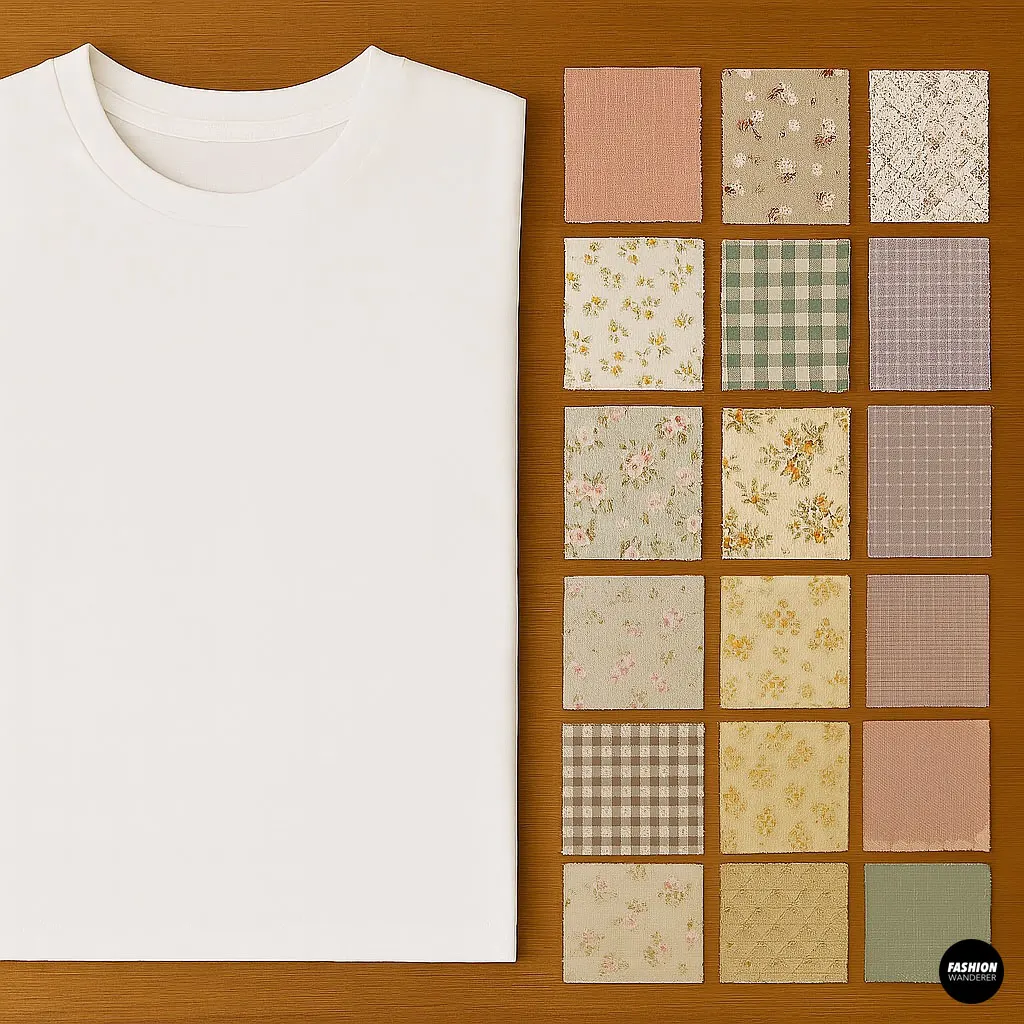
Start with a clean, wrinkle-free basic tee. Cotton tees work best for patchwork as they hold stitches well. Next, choose fabric scraps that evoke cottagecore vibes — soft florals, vintage plaids, small prints, or natural linens.
Tip: Mixing different textures like lace or embroidered fabrics adds extra cottagecore character.
Step 2: Decide Pocket Size and Placement
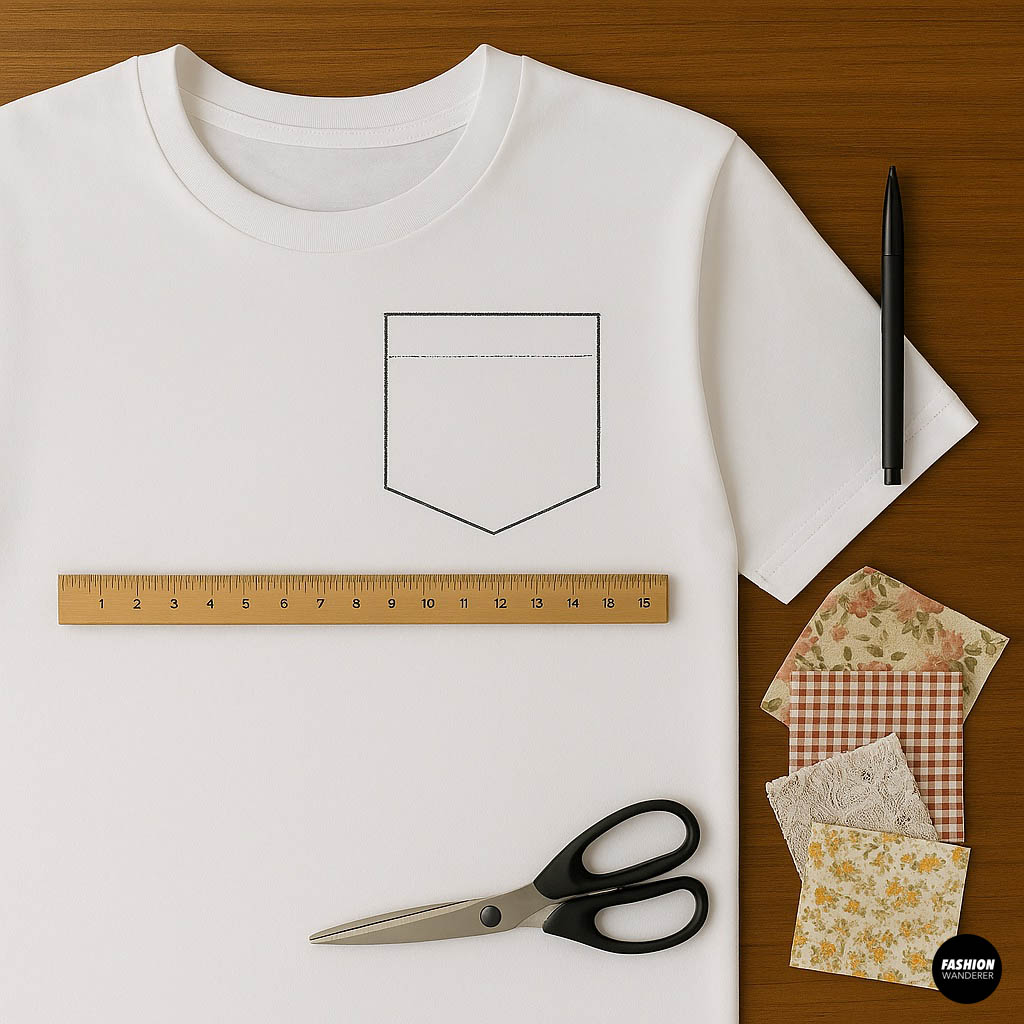
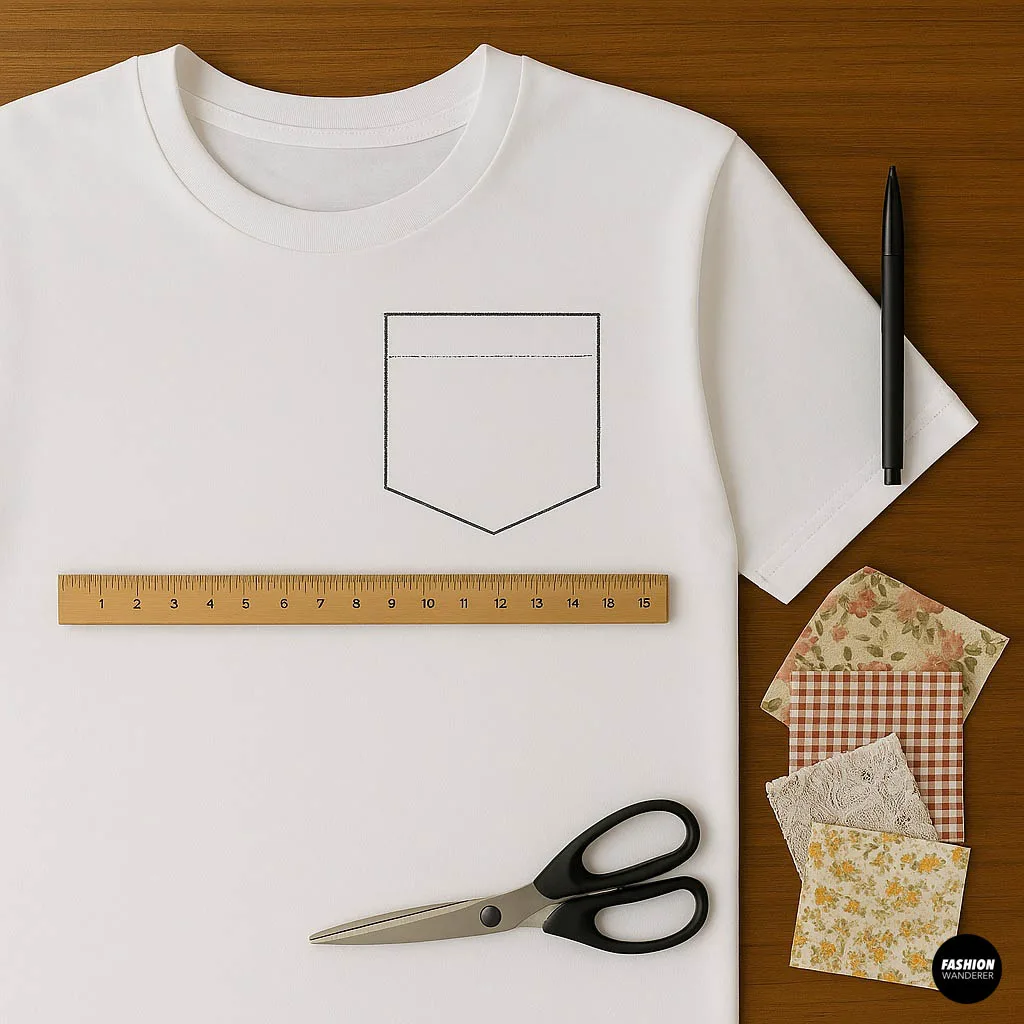
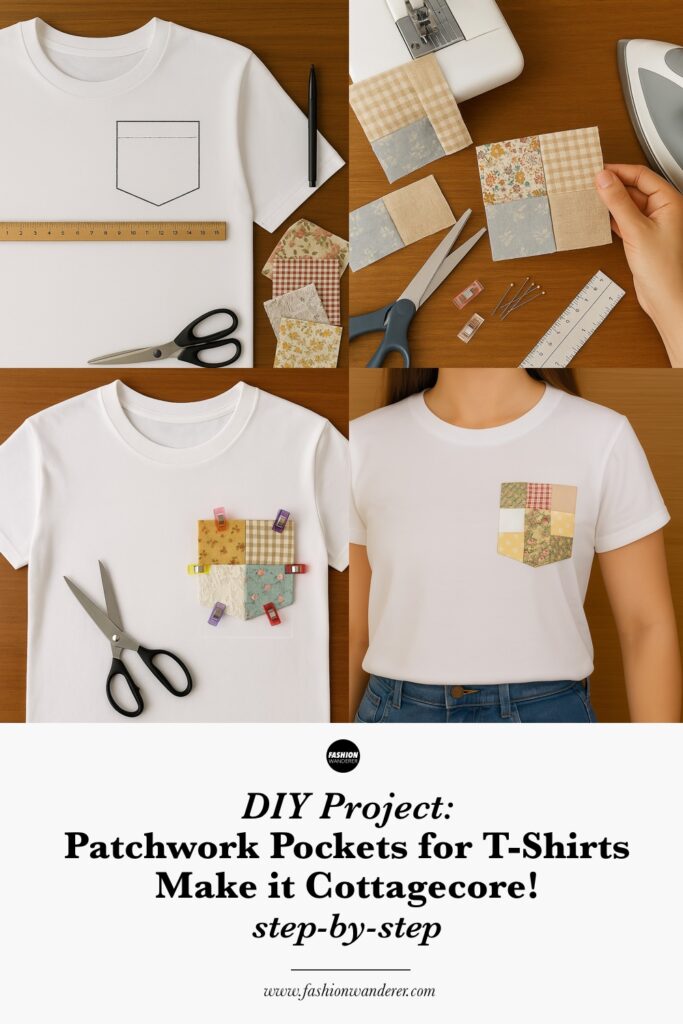
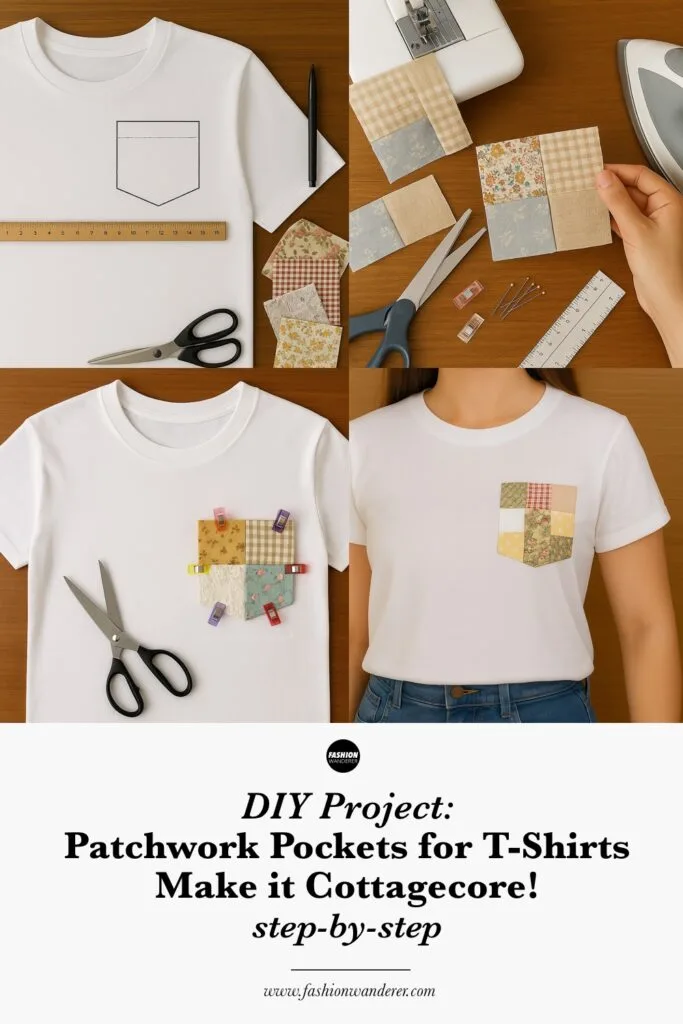
Most t-shirt pockets measure about 4 to 5 inches square, but feel free to customize the size! Use a ruler and fabric marker to sketch your desired pocket shape and size onto paper or directly on the fabric scraps.
For placement, the classic pocket is on the left chest, but you can also try:
- Both sides for a balanced look
- Larger pockets near the hem for a utility style
- Patchwork panel pockets combining multiple fabrics
Step 3: Cut Fabric Pieces for Patchwork
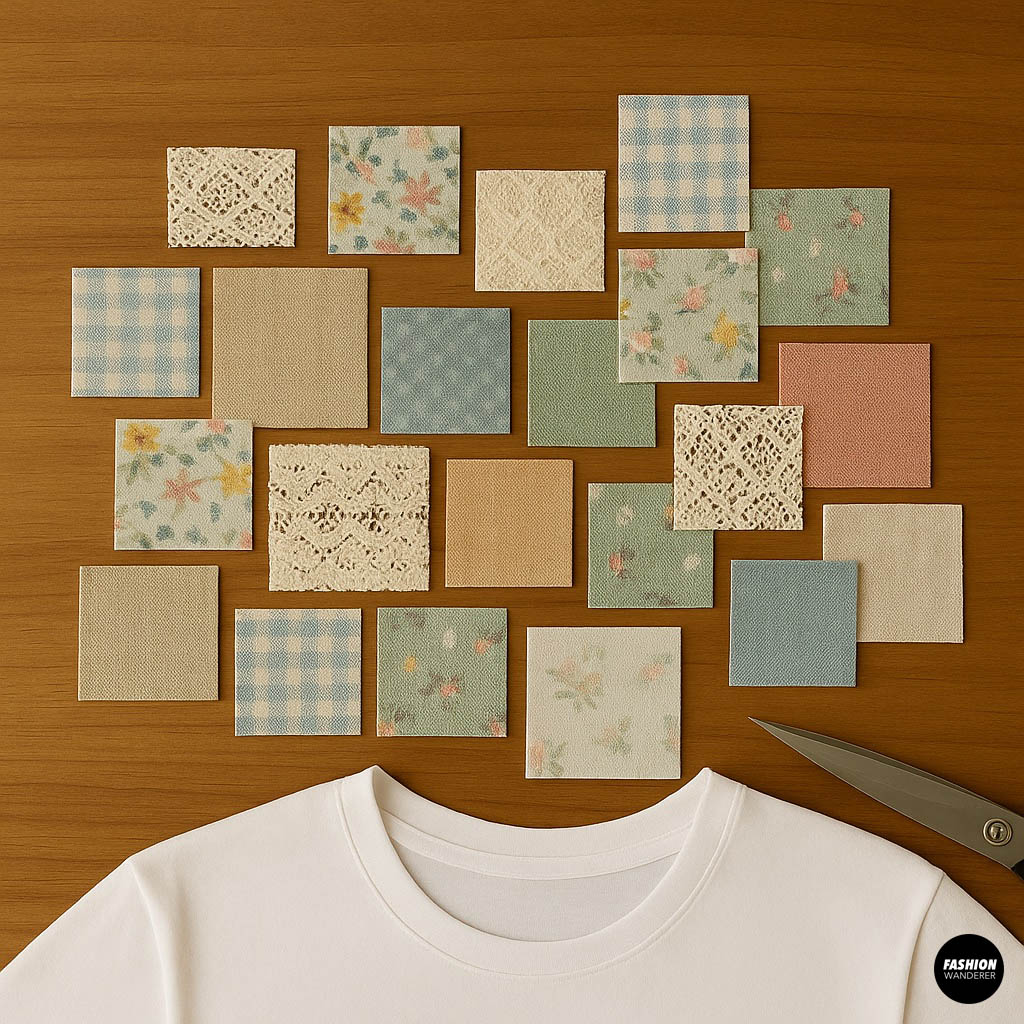
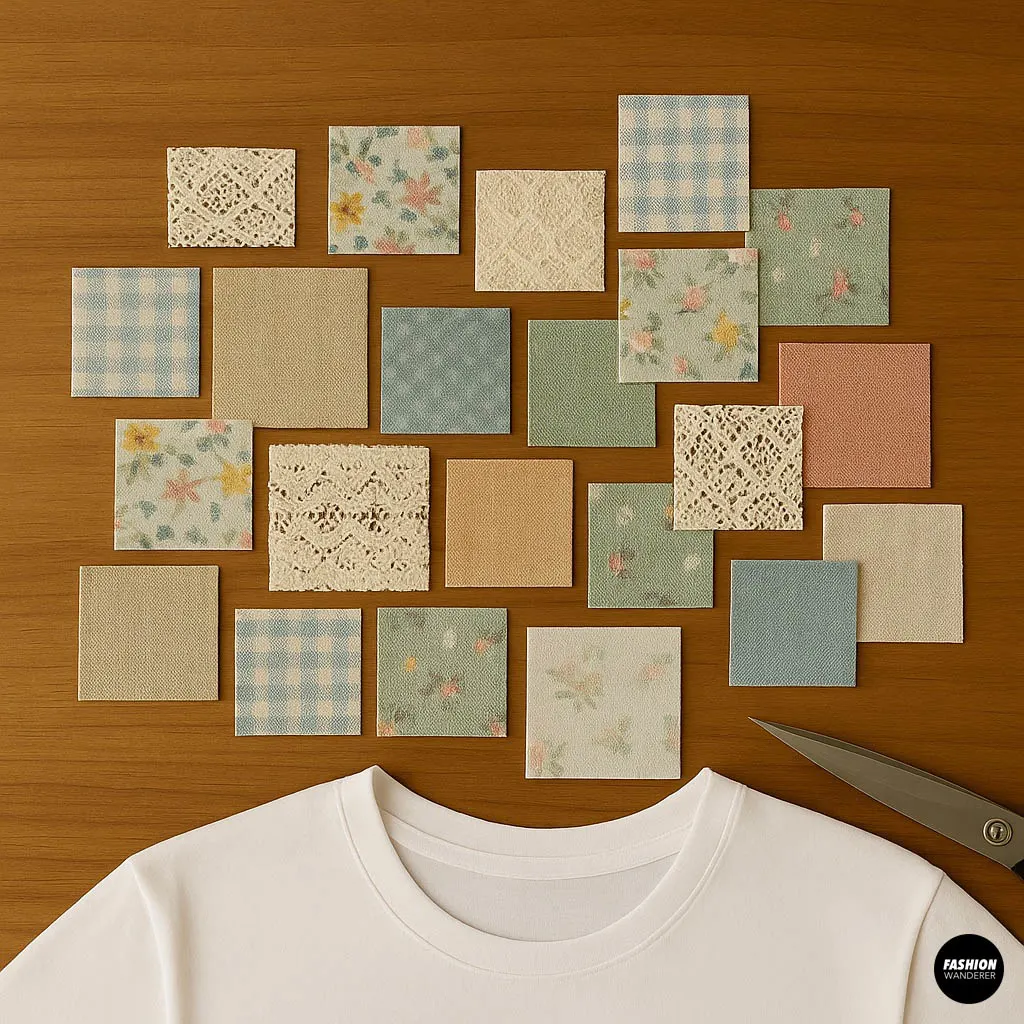
To create patchwork pockets, cut your fabric scraps into smaller shapes — squares, rectangles, triangles — about 1.5 to 2 inches each. Arrange these shapes on a flat surface and play with the layout until you’re happy with the combination and color balance.
Step 4: Sew Patchwork Squares Together
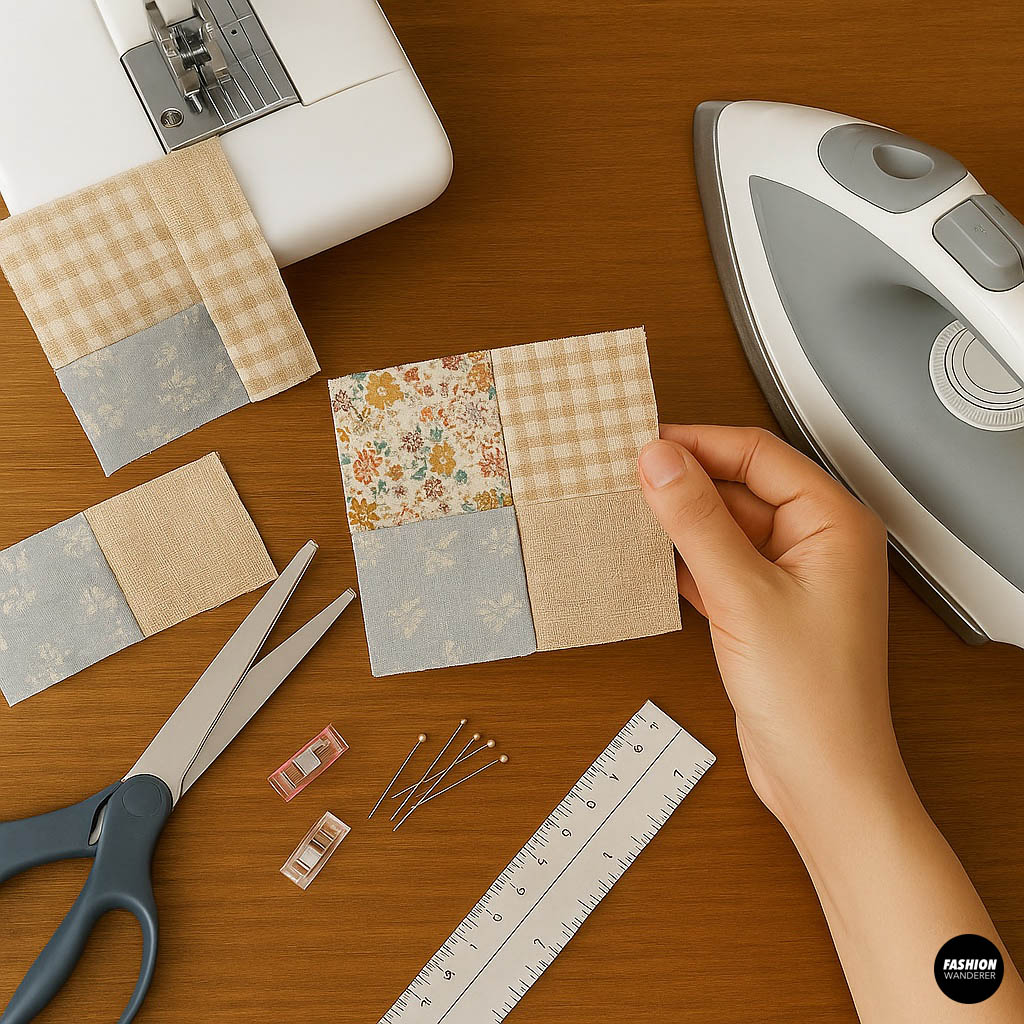
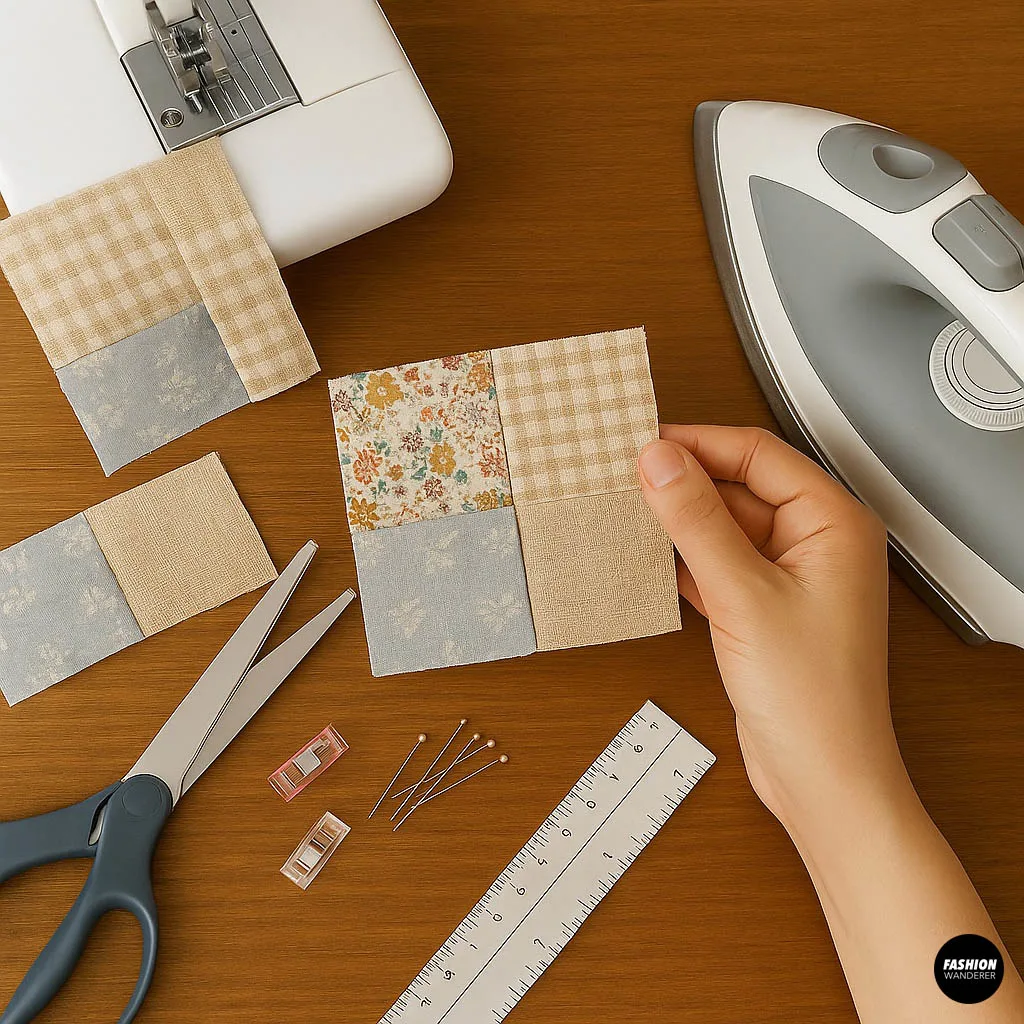
Once your layout is set, start sewing the fabric scraps together:
- Place two pieces right sides together along one edge and sew with a ¼-inch seam allowance.
- Press the seam open with an iron.
- Continue adding squares row by row until you have a patchwork piece larger than your pocket size.
- Trim the patchwork piece to your exact pocket dimensions, ensuring edges are straight and even.
Step 5: Optional — Apply Fusible Interfacing
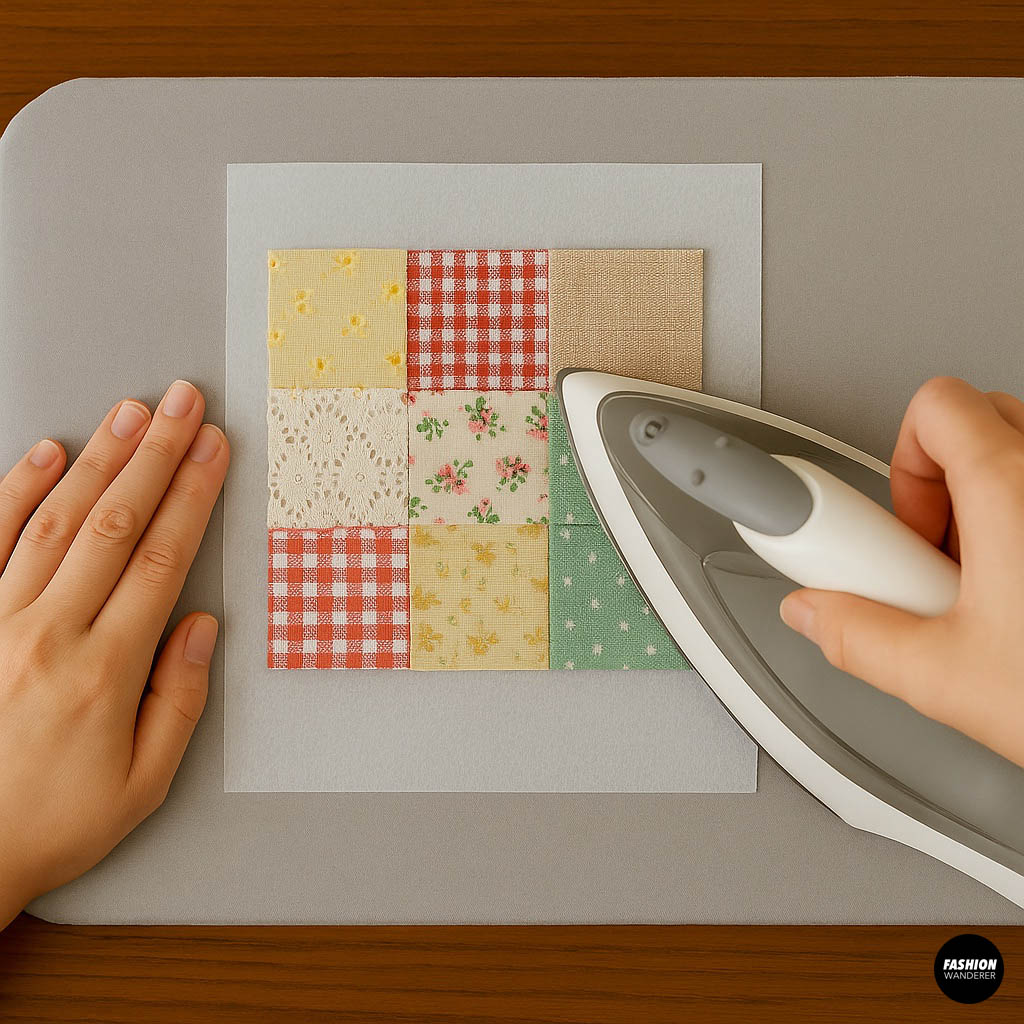
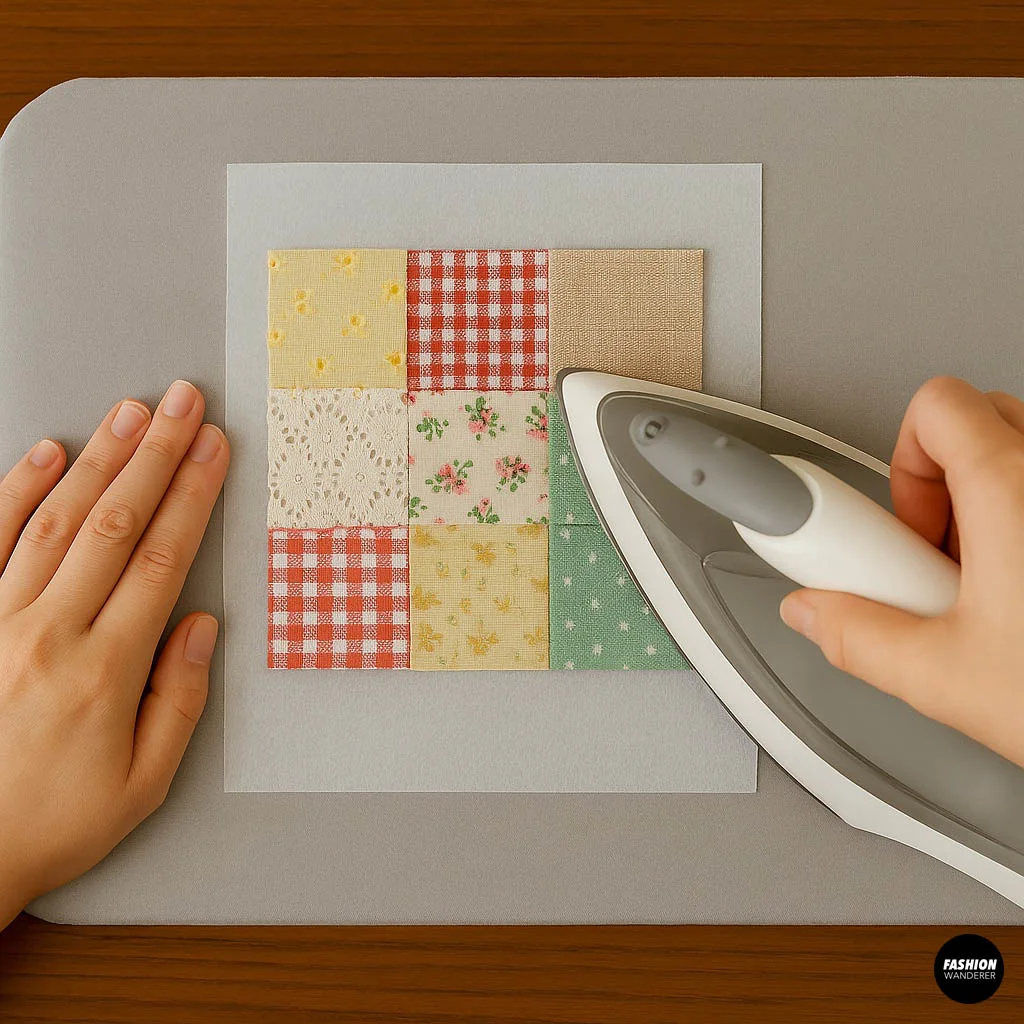
For added durability and structure, apply fusible interfacing to the back of your patchwork pocket piece. This step is especially helpful if your fabric scraps are thin or loosely woven.
Follow interfacing package instructions — typically involves ironing the interfacing to the fabric’s wrong side.
Step 6: Finish Pocket Edges
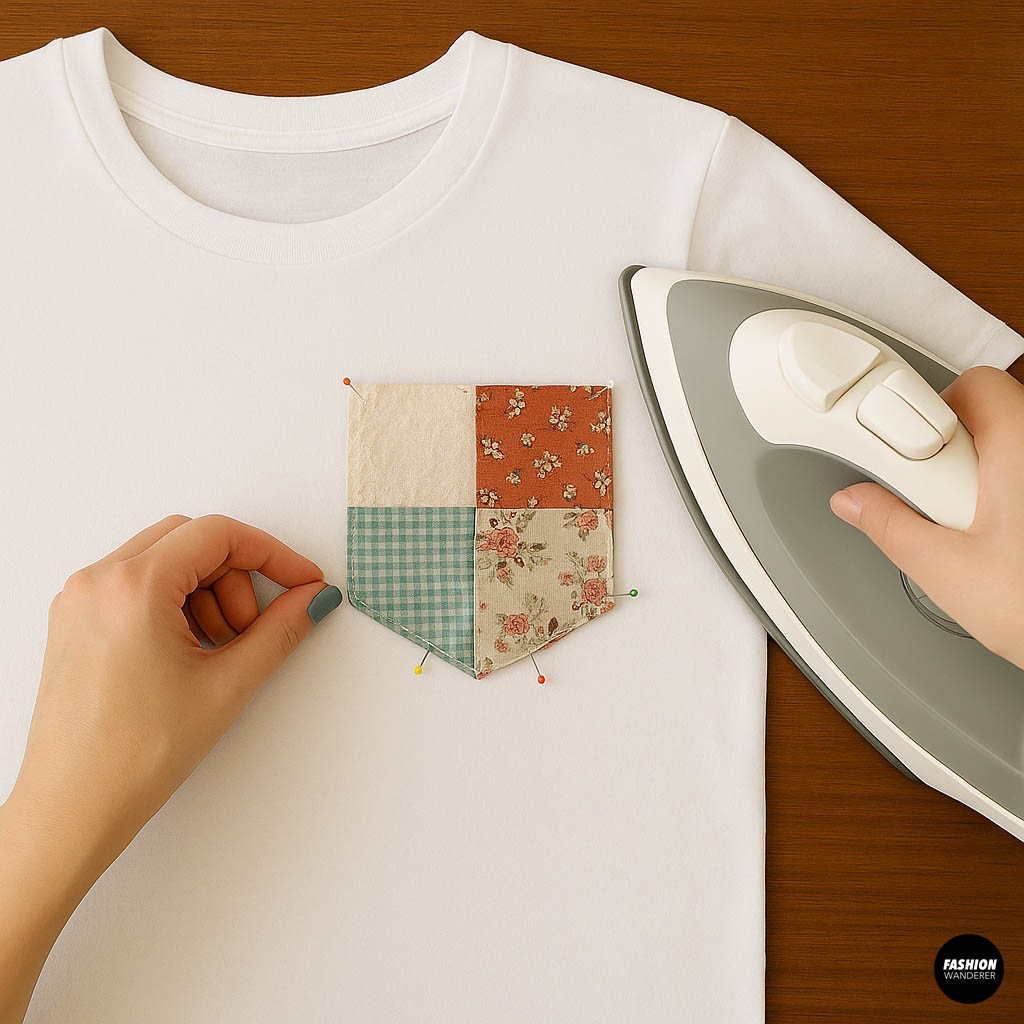
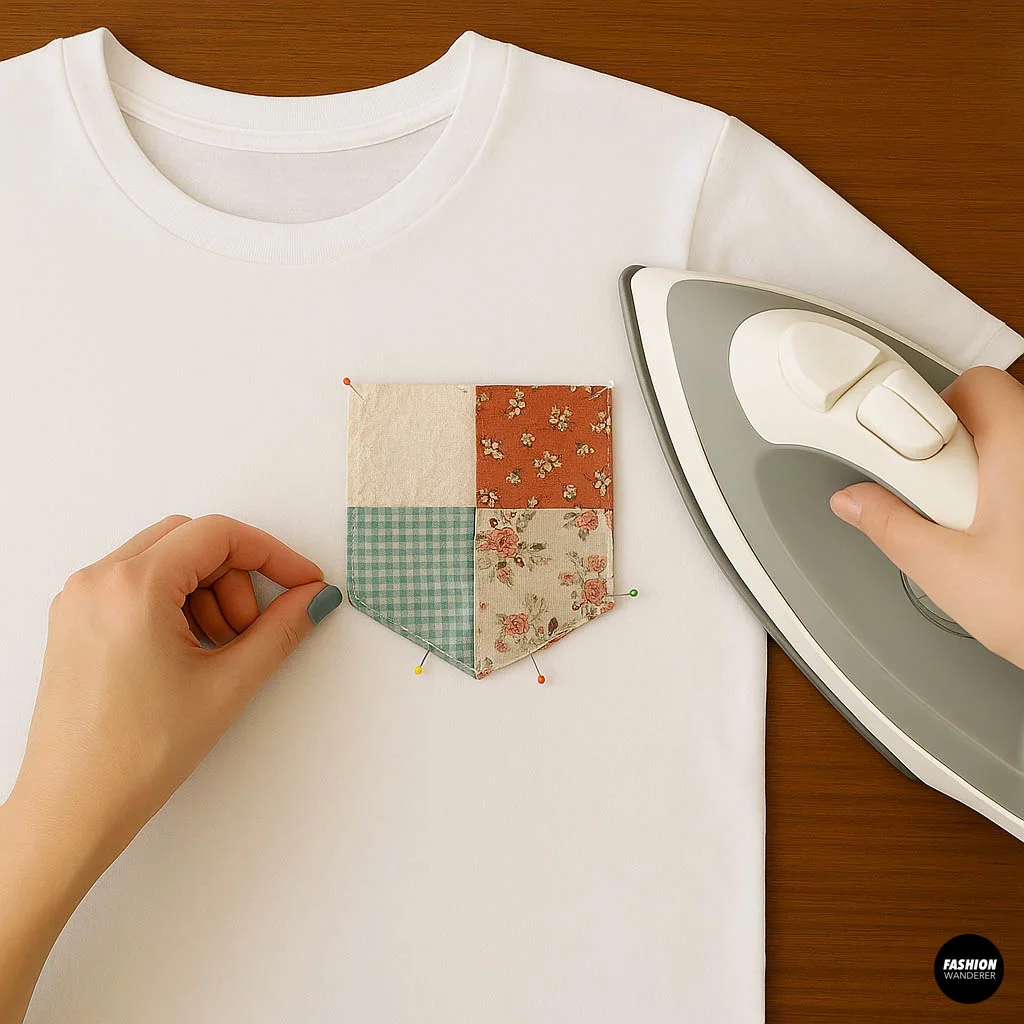
To avoid fraying and create a neat finish, fold the edges of the patchwork pocket inwards by about ¼ inch and press with an iron. Pin the folds in place.
Step 7: Pin Pocket to T-Shirt
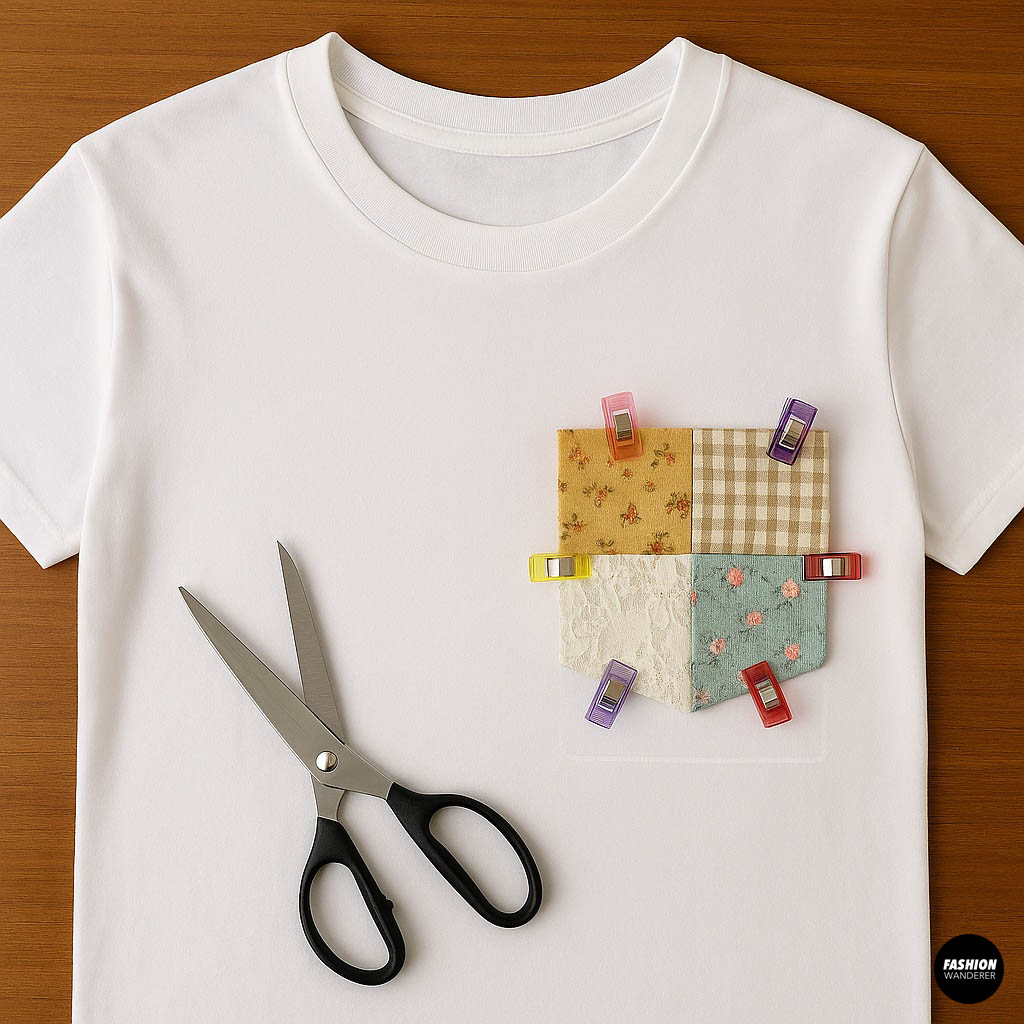
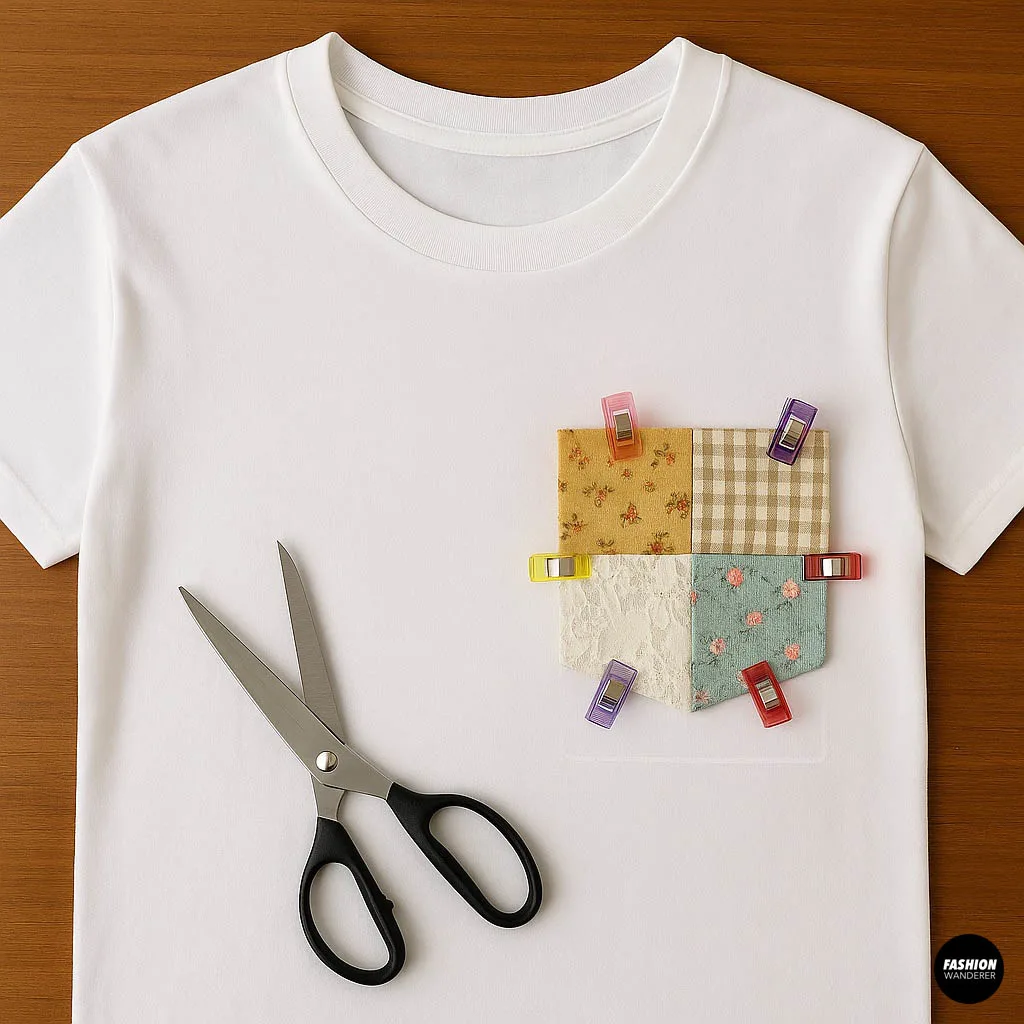
Place the patchwork pocket on your tee where you marked earlier. Use pins or clips to secure it firmly. Double-check the placement in a mirror or by trying on the tee.
Step 8: Sew Pocket to T-Shirt
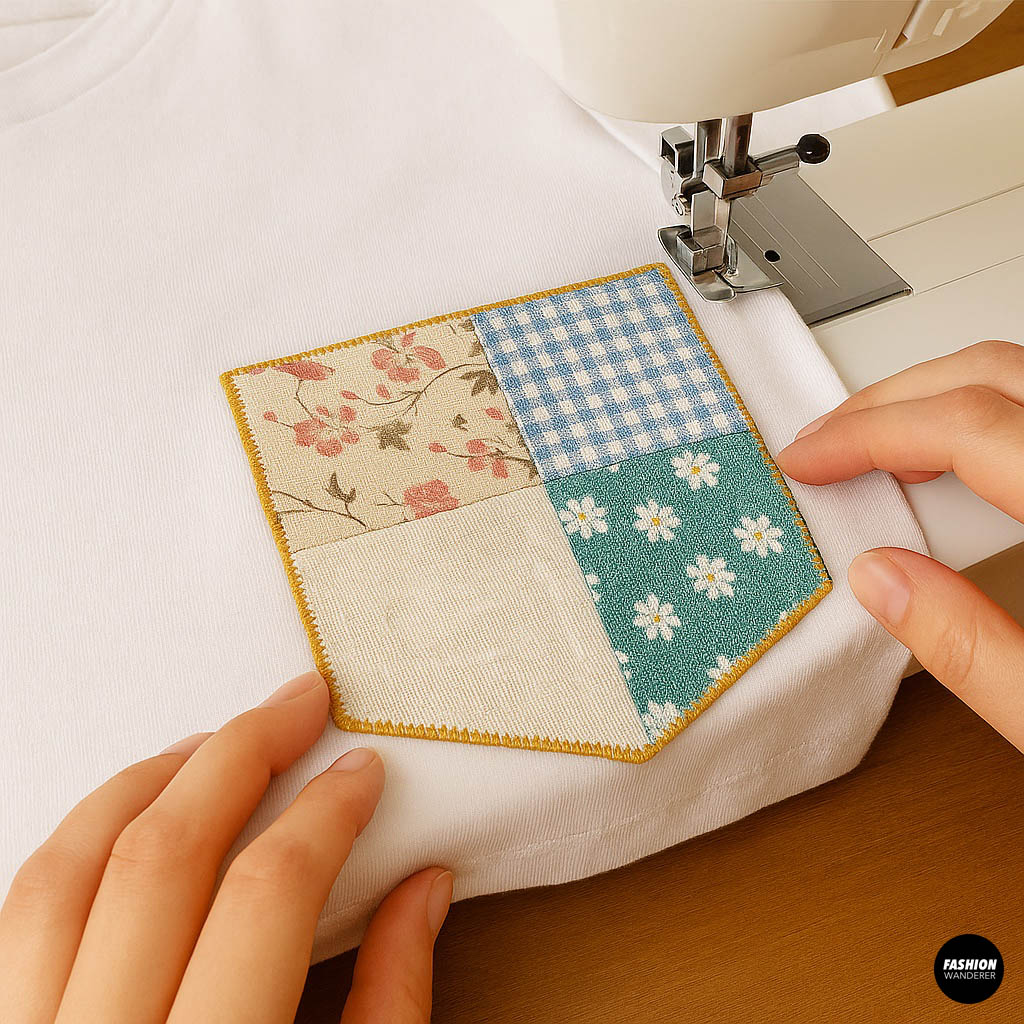
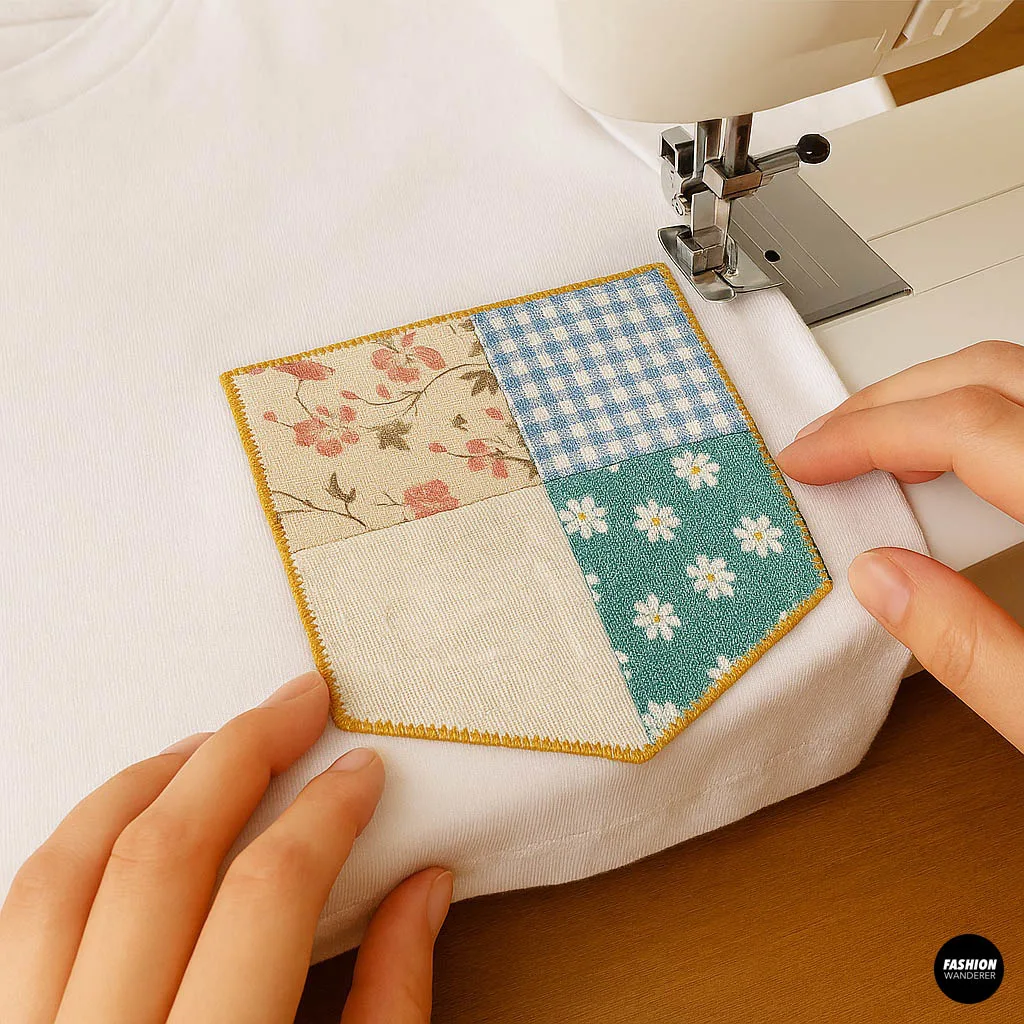
Using a sewing machine or hand needle:
- Sew around the pocket edges using a straight stitch or a small zigzag for stretch.
- Backstitch at the start and end to secure the seams.
- For a decorative touch, sew with a contrasting thread color or add topstitching.
Step 9: Final Press and Styling
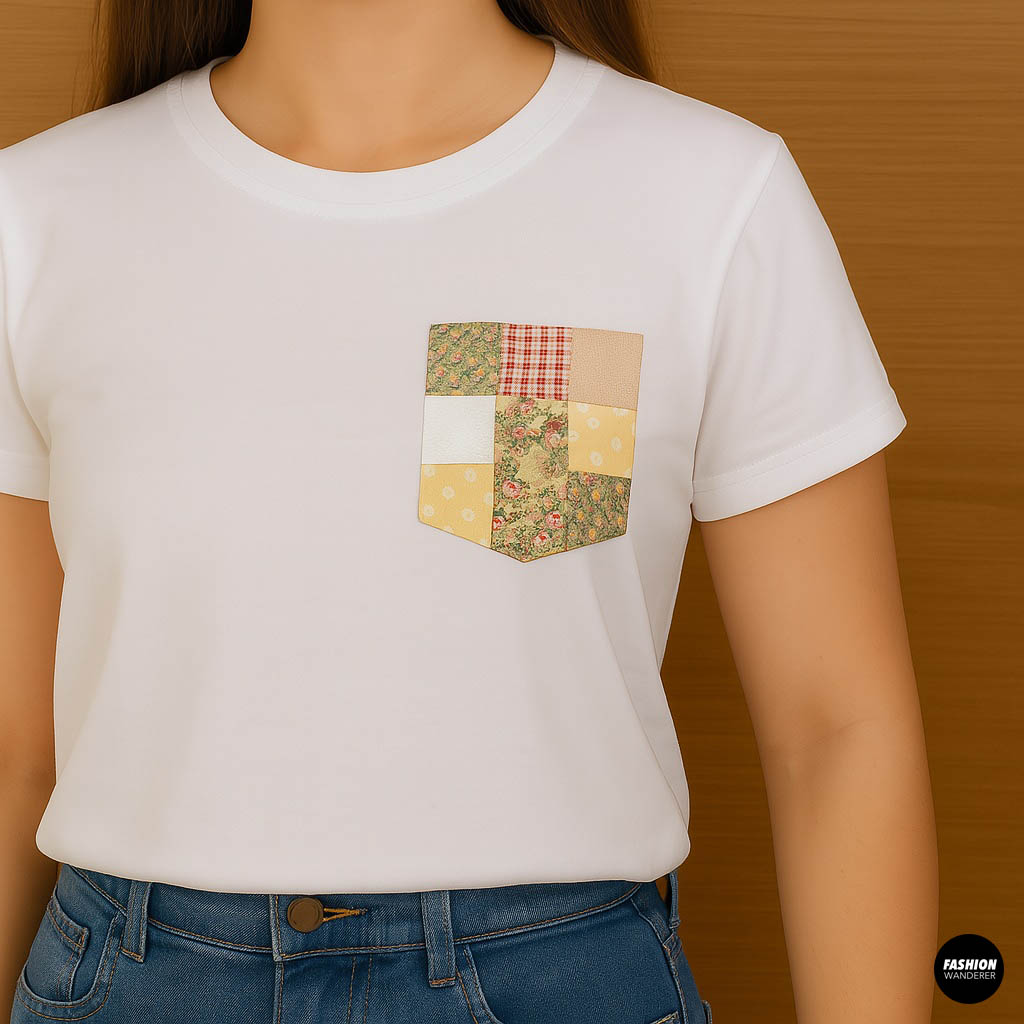
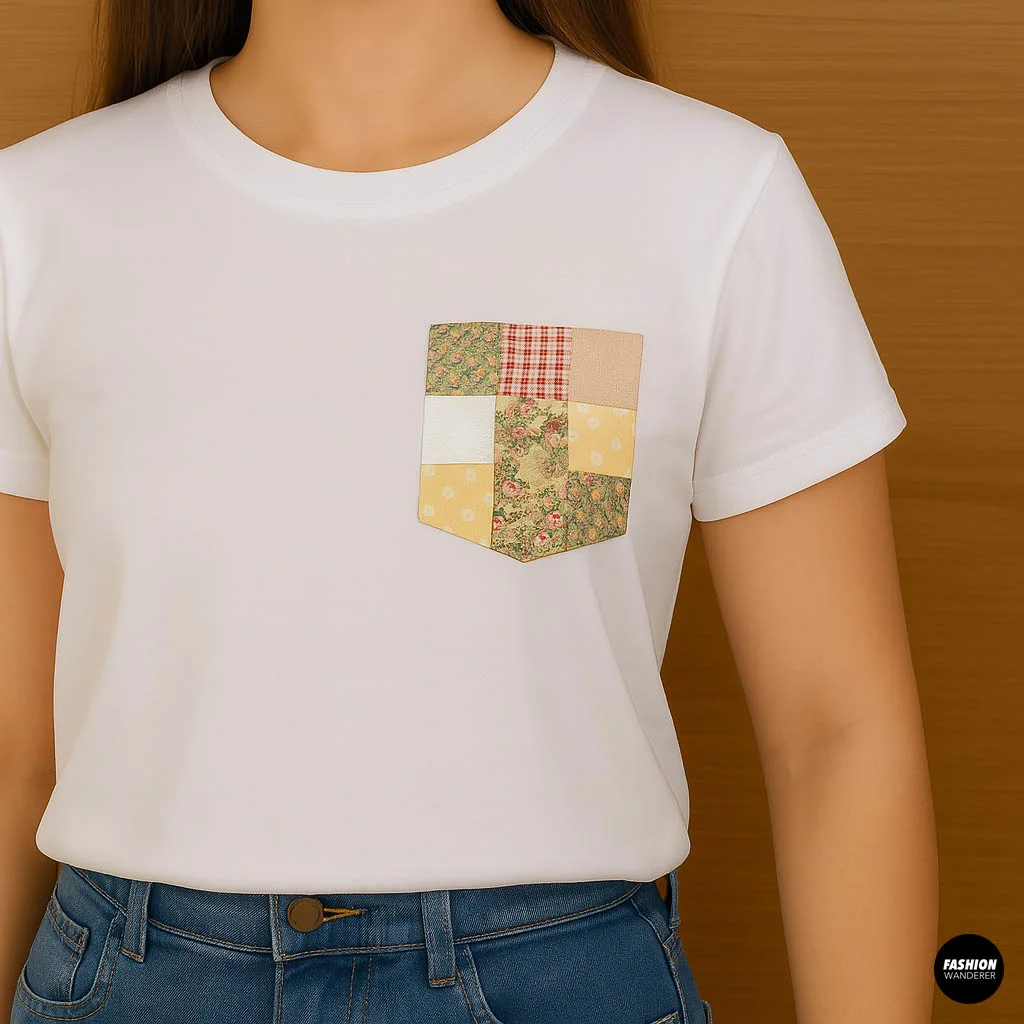
Press the pocket and surrounding fabric lightly with an iron to set the seams flat. Now your cottagecore-inspired patchwork pocket tee is ready to wear!
Style your new tee with high-waisted jeans, midi skirts, or layered cardigans for that dreamy cottagecore aesthetic.
Extra Cottagecore DIY Ideas to Pair With Patchwork Pockets
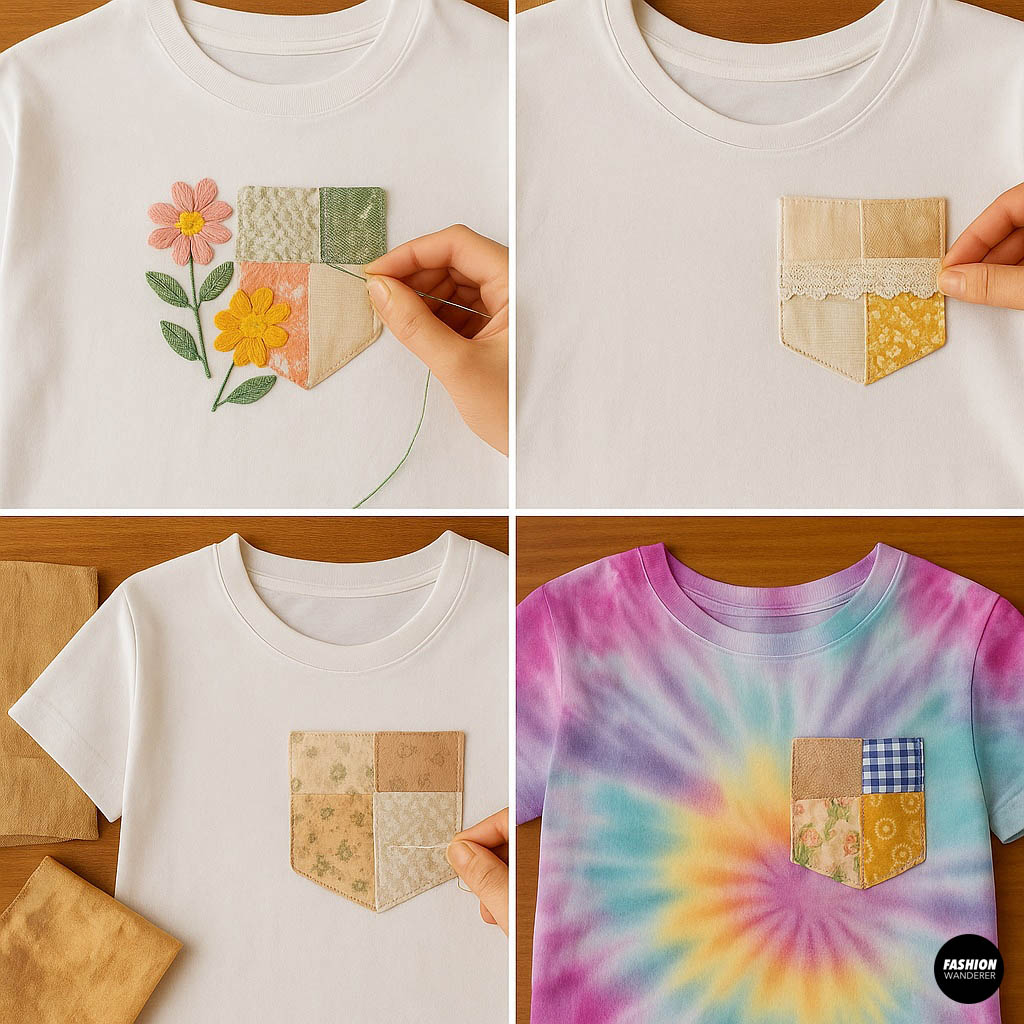
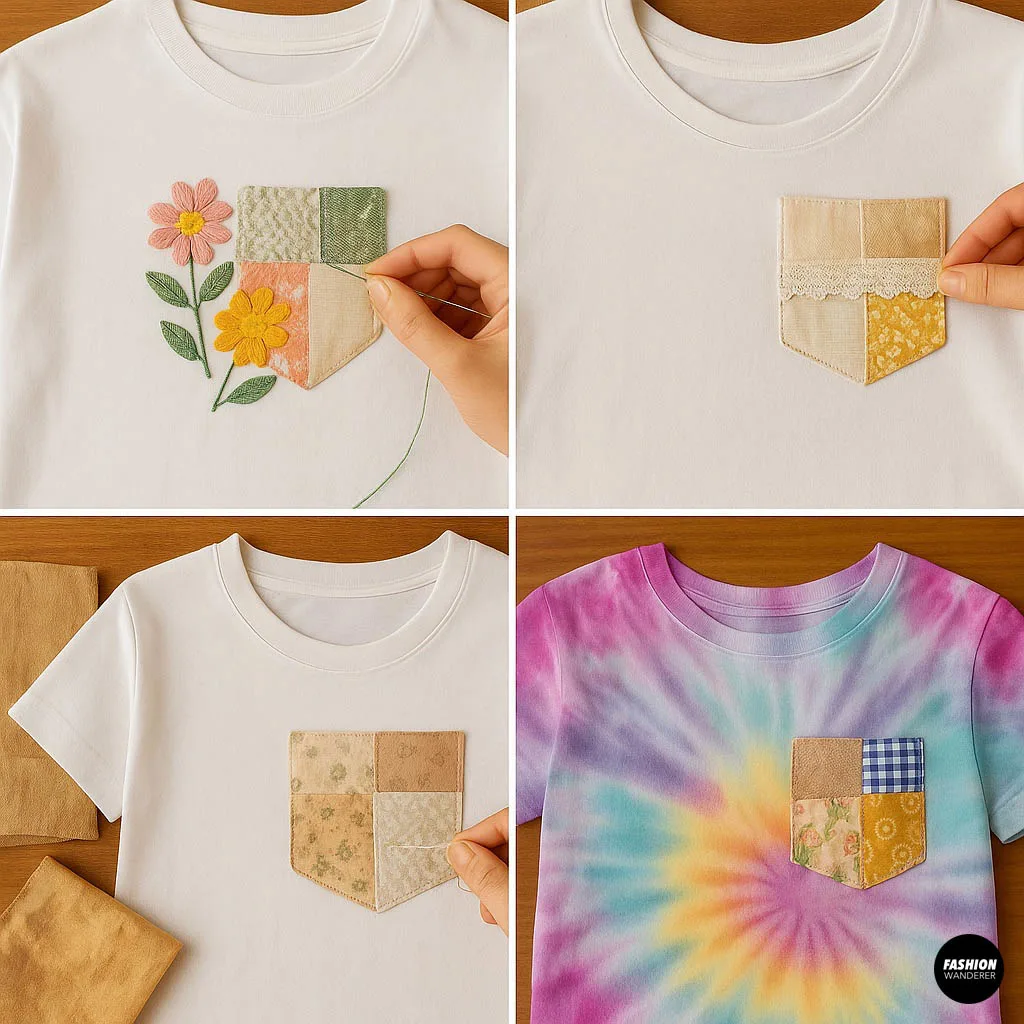
- Add embroidered floral accents around the pocket edges
- Sew on vintage-inspired lace trims or crochet patches
- Use natural-dyed or tea-stained fabrics for an authentic rustic look
- Combine with tie-dye or pastel ombre effects for a modern twist
Why You’ll Love Making Patchwork Pockets
- Personalized fashion: You decide fabric combos, size, and placement.
- Sustainability: Repurpose old fabric scraps and breathe new life into tees.
- Budget-friendly: Use materials you already own or find affordable thrifted fabrics.
- Relaxing craft: Patchwork sewing is meditative and fun.
- Great for gifting: Handmade tees with patchwork pockets make thoughtful, unique presents.
FAQ About Patchwork Pockets for T-Shirts
Q: Can I make patchwork pockets without a sewing machine?
A: Yes! Hand sewing with a needle and thread works fine for small projects like this. Just take your time and use small stitches.
Q: What type of thread should I use?
A: Use polyester or cotton-wrapped polyester thread for durability. Match the color to your patchwork fabrics for the cleanest finish.
Q: Can I wash the tee with patchwork pockets?
A: Yes! Wash your tee gently on cold cycle and air dry or tumble dry low to preserve the fabric and stitching.
Q: How do I prevent patchwork fabric from fraying?
A: Finish edges by folding and pressing before sewing, or use fray-check liquid along raw edges.
Conclusion
Adding patchwork pockets to your basic tees is a charming way to embrace the cottagecore trend while expressing your creativity and sustainability values. This DIY project is approachable for beginners, requires no complex patterns, and lets you personalize every detail from fabric choice to pocket size.
Whether you want to add a single floral patch or a bold mix of prints, patchwork pockets bring cozy vintage vibes that make your t-shirts truly one-of-a-kind. So gather your fabric scraps, sewing tools, and inspiration, and start stitching your way to a delightful cottagecore wardrobe!
Love this tutorial? Share your patchwork pockets on social media and tag us @FashionWandererOfficial to inspire other makers. For more fun sewing and upcycling ideas, subscribe to our blog and follow us on Instagram!